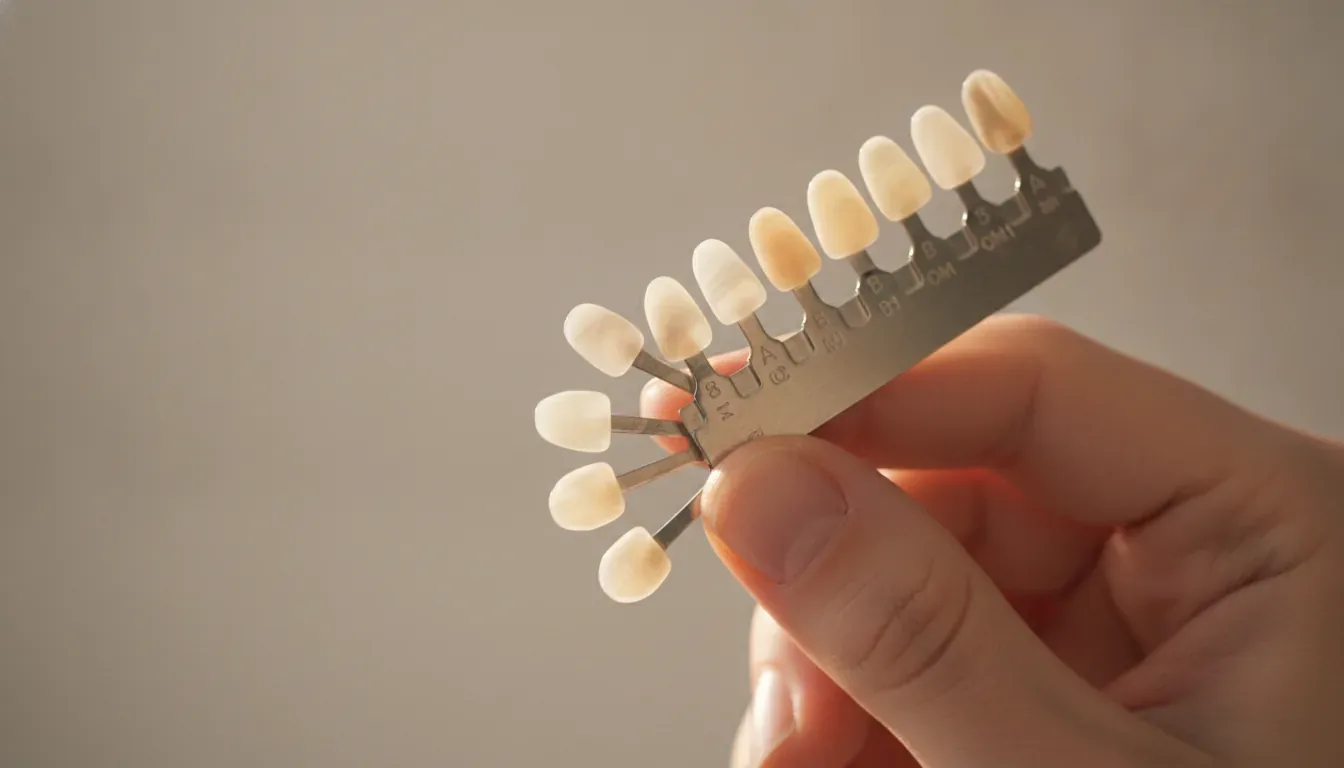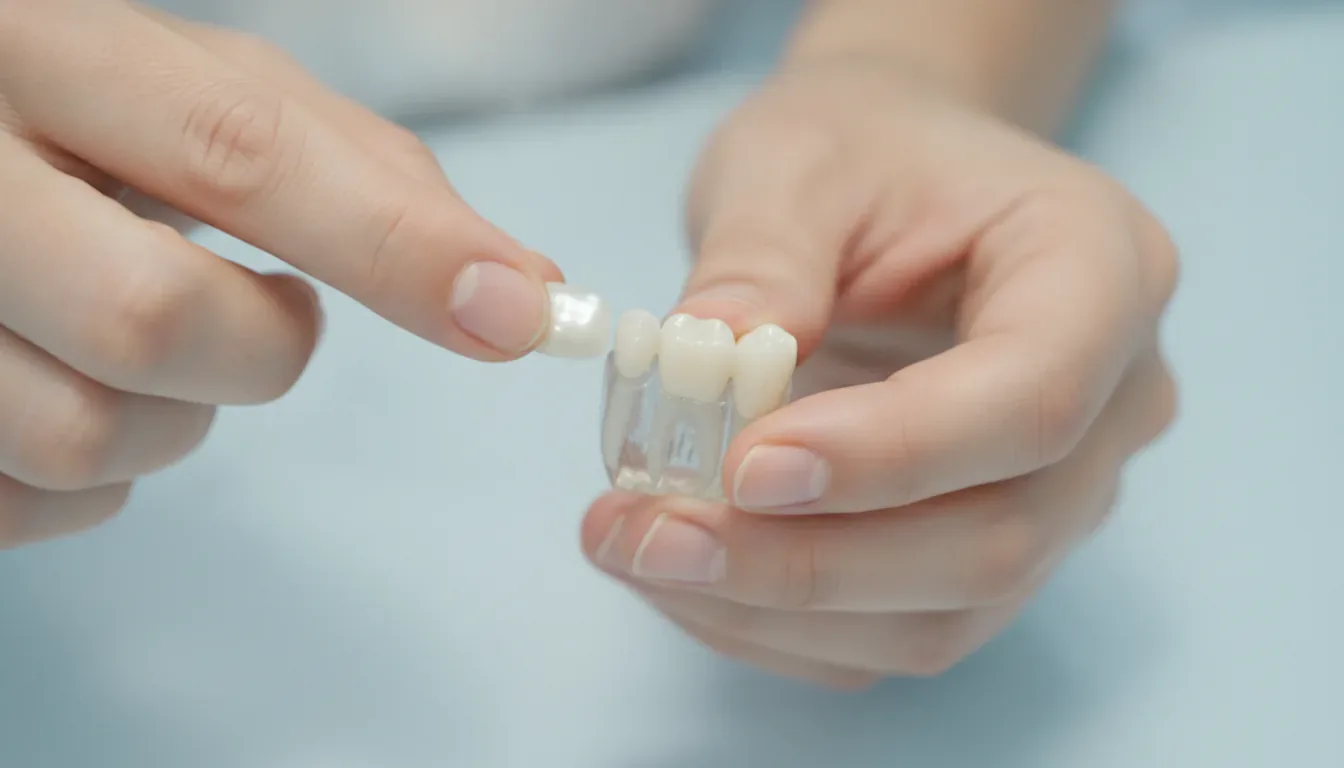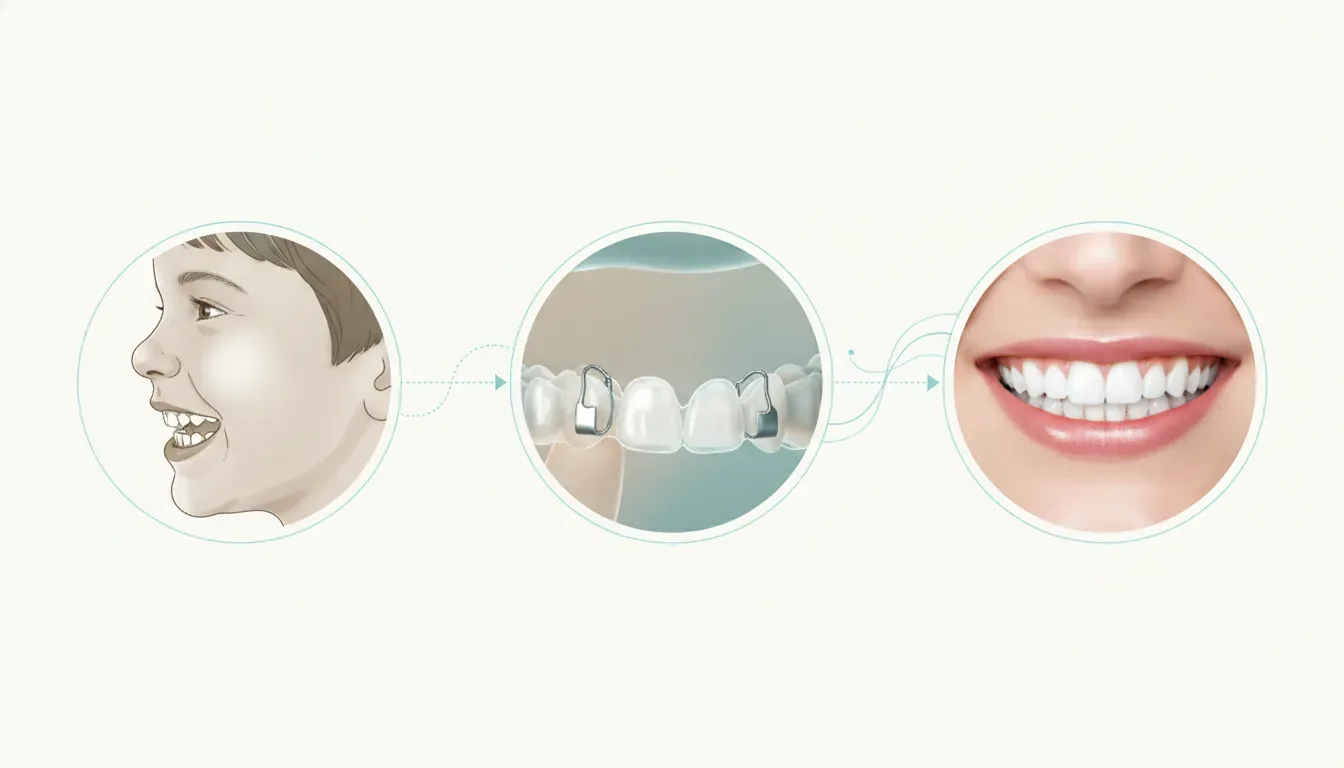
Veneers come in more than one type, and each type fits a different tooth, budget and timeline. Think about the chip, the gap or the stain you notice every time you see a photo of yourself, and what it would feel like to stop thinking about it.
The plain path there starts with one choice: picking the right kind of veneer for your teeth before anything else happens. The ADA names two main types, porcelain veneers and composite veneers, and there are also thinner no-prep veneers and removable snap-on covers.
This guide will help you compare your options in plain English, so you can see which one could be right for you. At Dentique Dental Care, Dr. Xhelo Shuaipaj looks at your tooth structure, your goals and your budget before he recommends any of them. Here is the short answer first.
Which type of veneer is right for me
The right veneer depends on what you want to fix, how long you want it to last, your budget, and whether your enamel and bite are healthy. Porcelain veneers suit bigger, long-lasting changes to color and shape, while composite veneers suit smaller fixes on a lower budget.
- Porcelain veneers are the best type of veneers for a long-lasting change to color and shape, and they cost the most.
- Composite veneers are right for small fixes, fewer visits and easier repair, though they stain more easily.
- No-prep veneers can work for mild stains or small gaps, but only on teeth that have room for them.
- Snap-on veneers are a short-term cosmetic cover, not a dental treatment.
Whichever way you lean, Dentique confirms your price in writing at your consultation. Source: ADA MouthHealthy. The table below puts all four options side by side.
In this guide
How do the veneer options compare side by side
Porcelain, composite, no-prep and snap-on veneers differ most on how much enamel is removed, how long they last, and what they cost. Here is how they compare.
| Porcelain | Composite | No-prep / minimal-prep | Snap-on / removable | |
|---|---|---|---|---|
| What it is | Thin custom ceramic shell | Tooth-colored resin bonded to the tooth | Very thin shell with little or no shaping | Removable cosmetic cover made from an impression |
| Enamel removed | Some (about 0.5 to 0.7mm); not reversible | Less than porcelain | Little or none | None |
| Visits | Usually more than one | Often one | Varies | Impression, then a fitting |
| How long it lasts (practice-reported) | 10 to 15+ years | 4 to 8 years | Short-term; not meant for long-term wear | |
| Stain resistance | High | Lower | High (ceramic material) | Not applicable |
| If it chips | Usually replaced | Can often be patched | Usually replaced | Replace the appliance |
| Reversible | No | More easily reversed than porcelain | Sometimes; depends on the case | Yes |
| Cost per tooth (national range, not a Dentique price) | $1,000 to $2,500 | $250 to $1,500 | $800 to $2,000 | Not listed (sold as a set, not per tooth) |
| Comfort | Local anesthetic for shaping; nitrous oxide or oral sedation available at Dentique | Often little or no numbing | Often little or no numbing | No chair time beyond impressions |
Lifespans are ranges reported by dental practices, and costs are national ranges, not Dentique prices. Clinical points come from ADA MouthHealthy.
Porcelain is the type most people ask about first, so it is the place to start.
What are porcelain veneers, and who are they best for
A porcelain veneer is a thin shell custom-made to fit the front of a tooth. The ADA describes porcelain as strong, long-lasting and natural-looking, and usually the more expensive option.
Porcelain holds up well against stain from coffee, tea and wine, and practices commonly report that porcelain veneers last 10 to 15 years or more. The trade-off is permanence: some enamel is removed to make room, so the treatment is not reversible.
What porcelain does well:
- It resists stain better than composite.
- It lasts the longest of the veneer types.
- It gives a natural-looking result on the front of the tooth.
What to weigh before choosing it:
- Enamel is removed, and that cannot be undone.
- It is the most expensive option.
- A chipped porcelain veneer is usually replaced, not patched.
Porcelain veneers are a good fit for larger color or shape changes on healthy teeth. They are not a good fit for untreated decay or gum disease, or for heavy grinding or a deep overbite without a plan to protect them.
You may also see emax veneers and zirconia veneers online. Both are ceramic materials used for porcelain-style veneers.
If you would rather start with a less permanent option, composite is next.
What are composite veneers, and who are they best for
A composite veneer is tooth-colored filling material bonded to the tooth, and it usually needs less enamel removed and fewer visits than porcelain. The material is composite resin, the same family used in dental bonding, so the two are close cousins.
Composite veneers are cheaper than porcelain and easier to repair, because a chip can often be patched. They do stain more easily, and practices commonly report they last about 4 to 8 years.
Why people choose composite:
- It costs less than porcelain.
- Less enamel is removed.
- It often takes fewer visits.
- Small chips can usually be repaired.
What to weigh before choosing it:
- It picks up stain from coffee, tea and wine more easily.
- It does not last as long as porcelain.
- It may need polishing over time to keep its shine.
Composite veneers suit small chips, minor shape fixes or a tighter budget. They are a weaker choice for heavy bite pressure, or if you want the longest-lasting change. For people with enough room on their teeth, there is a type that goes thinner still.
What are no-prep or minimal-prep veneers
No-prep veneers are ultra-thin shells placed with little or no shaping of the tooth. They keep more of your natural enamel, but they only work on teeth that have room for them.
Lumineers is a brand name you may have heard for this no-prep style. Minimal-prep veneers sit close to it, with only a light touch of shaping. Nationally, no-prep veneers are reported at about $800 to $2,000 per tooth.
The honest catch is size. On teeth that already sit forward, a shell placed on top with less enamel removed can look bulky. That is why a dentist needs to check your bite and tooth position first.
If a thinner option appeals to you, ask at your consultation whether it suits your teeth. The next option is one you can take out.
Are snap-on or press-on veneers a real alternative
Snap-on veneers are removable covers made from an impression of your teeth. They change how your teeth look while you wear them, but they do not repair or change the teeth underneath.
You may see them called press-on, pop-on or removable veneers. No tooth is shaped, so nothing is permanent, but they are made for short-term wear rather than long-term use.
If you are asking whether pop-on veneers are worth it, or whether you can eat with them, it helps to think of snap-on veneers as a cosmetic cover for an event or a short stretch of time. Before you buy any set, have a dentist check the teeth underneath, since the ADA says decay or gum disease should be treated first.
And sometimes, veneers of any kind are not needed at all.
What do dentists recommend instead of veneers
Dentists often suggest a simpler treatment first when the problem is color only, a small chip, or crooked teeth. A good alternative to veneers matches the problem you want to fix:
- For color alone, teeth whitening may be enough.
- For a small chip or a narrow gap, dental bonding is often the lighter fix, at about $200 to $600 per tooth nationally.
- For a tooth that is weak, cracked or heavily filled, dental crowns protect the whole tooth.
- For spacing or crowding, Invisalign moves the teeth themselves.
Dentique offers whitening, bonding, crowns and Invisalign, and treatment planning is no-pressure. Once you know whether veneers are the right tool, the next step is how to choose between them.
How do you choose the right veneer option for your teeth
Choosing a veneer comes down to five questions about your teeth, your bite, your timeline, your budget, and how permanent you want the change to be.
- Are your teeth and gums healthy right now? The ADA says decay or gum disease needs treating before veneers.
- Do you grind your teeth or have a deep overbite? The ADA notes veneers may not be a good choice in that case.
- How long do you want the change to last? Porcelain is reported at 10 to 15+ years and composite at 4 to 8 years.
- How much enamel are you willing to lose? Porcelain veneers are not reversible once enamel is removed.
- What is your budget, including repair or replacement down the road? Composite costs less up front but may need replacing sooner.
Why do dentists advise against veneers? Usually for two plain reasons. Removing enamel is permanent, and every veneer needs replacing at some point. Neither is a reason to rule veneers out, but both belong in your decision.
Dr. Xhelo Shuaipaj weighs these same questions when he looks at your tooth structure, your goals and your budget.
Budget is the question most people want answered in numbers, so that comes next.
How much do veneers cost, and does insurance help
Nationally, veneers commonly cost about $1,000 to $2,500 per tooth for porcelain and $250 to $1,500 per tooth for composite. These are national ranges, not Dentique prices.
At Dentique, your price is confirmed in writing at your consultation, before anything starts.
Insurance usually treats veneers as cosmetic, so the ADA notes they may not be covered unless a dentist deems them medically necessary.
Dentique works with most major PPO plans, including Delta Dental, MetLife, Cigna, Aetna, Blue Cross Blue Shield of Illinois, UnitedHealthcare, Guardian and Humana. For costs insurance does not cover, financing is available through CareCredit, Cherry and Sunbit.
For many people, cost is only half the worry. The other half is feeling nervous about the chair.
What if you are nervous about getting veneers
Dentique Dental Care offers two sedation options: nitrous oxide, known as laughing gas, and oral conscious sedation, a pill to help you relax.
Either can be used during the appointments where teeth are shaped or veneers are placed. Dr. Xhelo Shuaipaj holds the FDOCS title, a Fellowship with DOCS Education, which trains dentists in sedation.
The care style is judgment-free. If it has been years since your last visit, or you are embarrassed about your teeth, you will not be lectured, and nothing is planned until you are ready. If you still have questions, the answers below cover the ones people ask most.
Veneer questions people also ask
Do teeth decay under composite veneers?
The tooth under a composite veneer, or any veneer, can still decay at the edges. Brushing, flossing and regular checkups still matter after veneers.
Can I bite into an apple with veneers?
Porcelain veneers are strong, but they can chip. Biting into an apple or other hard foods with your front teeth carries some risk, so many people cut hard foods into pieces.
How long do veneers last?
Porcelain veneers typically last 10 to 15+ years and composite veneers about 4 to 8 years. Both are ranges reported by dental practices, and care habits affect how long yours last.
Can I get veneers if I grind my teeth?
Grinding can make veneers a poor choice, according to the ADA. A dentist may suggest a night guard or another option first.