Most people assume a drugstore box of whitening strips does the same job as the dentist for a fraction of the price. The reality is more nuanced: the products use the same basic chemistry, but the concentration, the fit, and the supervision are what separate a modest touch-up from a dramatic, lasting result. The American Dental Association confirms whitening is safe when a dentist oversees it, with only temporary sensitivity as the usual trade-off. This guide compares in-office whitening, dentist take-home trays, and over-the-counter kits on results, safety, and real cost, so you can pick the right one for your smile and budget. If you want the full picture of your options first, start with cosmetic dentistry at Dentique.
Why Teeth Stain and What Whitening Actually Does
Your teeth darken for two reasons, and knowing which one you have tells you a lot about what whitening can fix. Extrinsic stains sit on the surface of the enamel and come from the things you drink and eat every day: coffee, tea, red wine, dark sodas, and tobacco. Intrinsic stains live deeper, inside the tooth, and build up from aging, certain medications, or an old injury. If you are a big coffee drinker, most of what you see in the mirror is extrinsic, and that is exactly the kind of staining whitening handles best.
Whitening agents do the heavy lifting with peroxide, either hydrogen peroxide or its slower-acting cousin carbamide peroxide. Peroxide breaks down the chemical bonds in the dark stain compounds called chromogens, scattering them so your enamel looks lighter. That is the entire mechanism, whether the peroxide comes from a dentist’s chair or a $30 box. The difference is how much peroxide is in the product, how long it stays on your teeth, and how evenly it is applied.
This matters because concentration drives results. Americans spend roughly $1.4 billion a year on nonprescription whitening products, and many of them are surprised when the results fade or never fully arrive. The chemistry is real, but a weak gel worn for ten minutes cannot do what a high-concentration gel held against the teeth under a dentist’s supervision can. The rest of this guide is about matching the strength of the method to the result you actually want.
In-Office Teeth Whitening: How It Works, Results, Cost
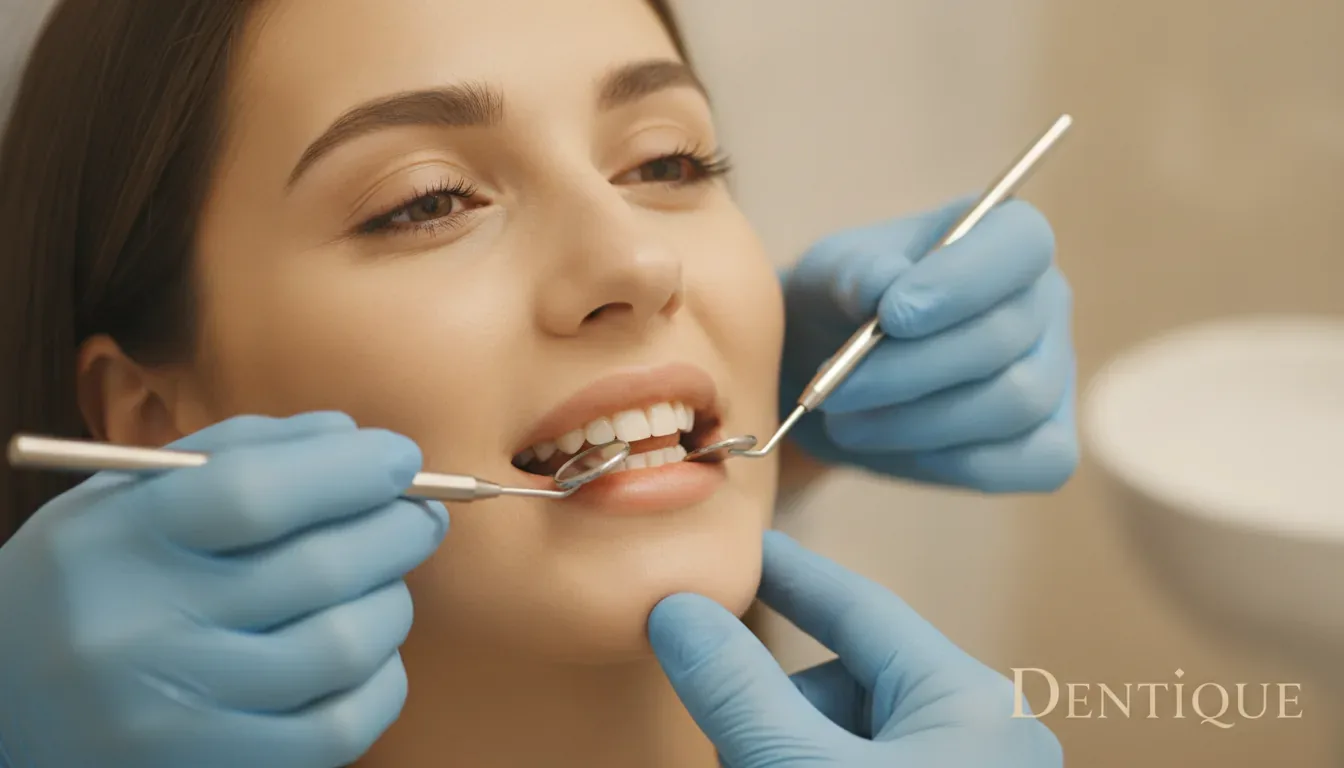
In-office teeth whitening is the fastest, most dramatic option, and it is the one a dentist controls from start to finish. You sit in the chair, the team protects your gums with a barrier, and a high-concentration whitening gel goes onto the teeth. Some systems add a light or laser to speed the reaction along. The whole appointment usually takes about an hour.
The payoff is visible the same day. In-office whitening can lighten teeth roughly five to eight shades in a single visit, which is well beyond what most at-home products reach in weeks. Results typically last from about six months to three years, depending on how much coffee, tea, or wine you drink and how consistent your home care is. You may notice sharper short-term sensitivity for a day or two after a strong in-office session, which fades as the teeth rehydrate.
Nationally, a single in-office session usually runs about $400 to $800, with premium laser systems reaching higher. There is no separate published Dentique whitening price, so the honest answer is that your cost depends on the system and your starting shade, and the way to get a real number is to ask. You can see how whitening fits alongside veneers, bonding, and other smile work on the page for professional whitening at Dentique.
Your in-office visit, step by step
- The dentist checks your teeth and gums to confirm whitening is right for you.
- A protective barrier is placed over your gums and lips.
- High-concentration whitening gel is applied to the teeth.
- A light or laser may be used to accelerate the gel, in timed cycles.
- The gel is removed, your shade is checked, and aftercare is reviewed.
At-Home Whitening: Dentist Trays vs Drugstore Strips
At-home whitening splits into two very different camps, and lumping them together is where most people waste money. The first is custom take-home trays from a dentist. The second is over-the-counter strips and kits from the drugstore. They share the peroxide chemistry and almost nothing else.
Dentist custom trays are molded to your teeth, so the professional-strength gel sits evenly against every surface with very little touching the gums. You wear them for a set time over a couple of weeks at home. Nationally these run about $150 to $600. They are slower than an in-office session but produce strong, even results, and you keep the trays for touch-ups later.
Over-the-counter strips and kits cost about $20 to $150 and are the weakest, slowest option. They can genuinely help with mild surface staining, and plenty of people use them happily. The honest catch is fit and strength: a one-size strip does not hug the curves of your teeth, so coverage is uneven and the gel is mild. If you have tried a cheap kit and felt it didn’t make much of a difference, that gap, not bad luck, is usually why. For deep or stubborn staining, strips simply cannot reach the result that trays or an in-office visit can.
| Factor | In-office | Dentist trays | OTC strips/kits |
|---|---|---|---|
| Typical cost | $400 to $800/session | $150 to $600 | $20 to $150 |
| Speed | About 1 hour | Days to weeks | Weeks |
| Strength | Highest | Professional | Mildest |
| Fit | Dentist-applied | Custom-molded | One-size |
| Best for | Fast, dramatic results | Strong, even at-home results | Mild surface stains |
Is Teeth Whitening Safe? Sensitivity and Who Should Wait
Teeth whitening is safe for most adults when a dentist supervises it or when an at-home product carries the ADA Seal of Acceptance. It is not risk-free, and any honest guide says so. The two common side effects are temporary tooth sensitivity and mild gum irritation, and both usually settle within a few days of finishing treatment. People often report no tingling or discomfort at all, but you should expect the possibility and know it passes.
A few people should wait or check with a dentist first. Children with baby teeth still present should not whiten, per guidance from the American Academy of Pediatric Dentistry. If you have untreated cavities or gum disease, those come first, because whitening gel on a sore or exposed area is what turns mild sensitivity into real pain. And if you whiten at home without supervision, keep hydrogen peroxide concentration at or below 3 percent to limit irritation.
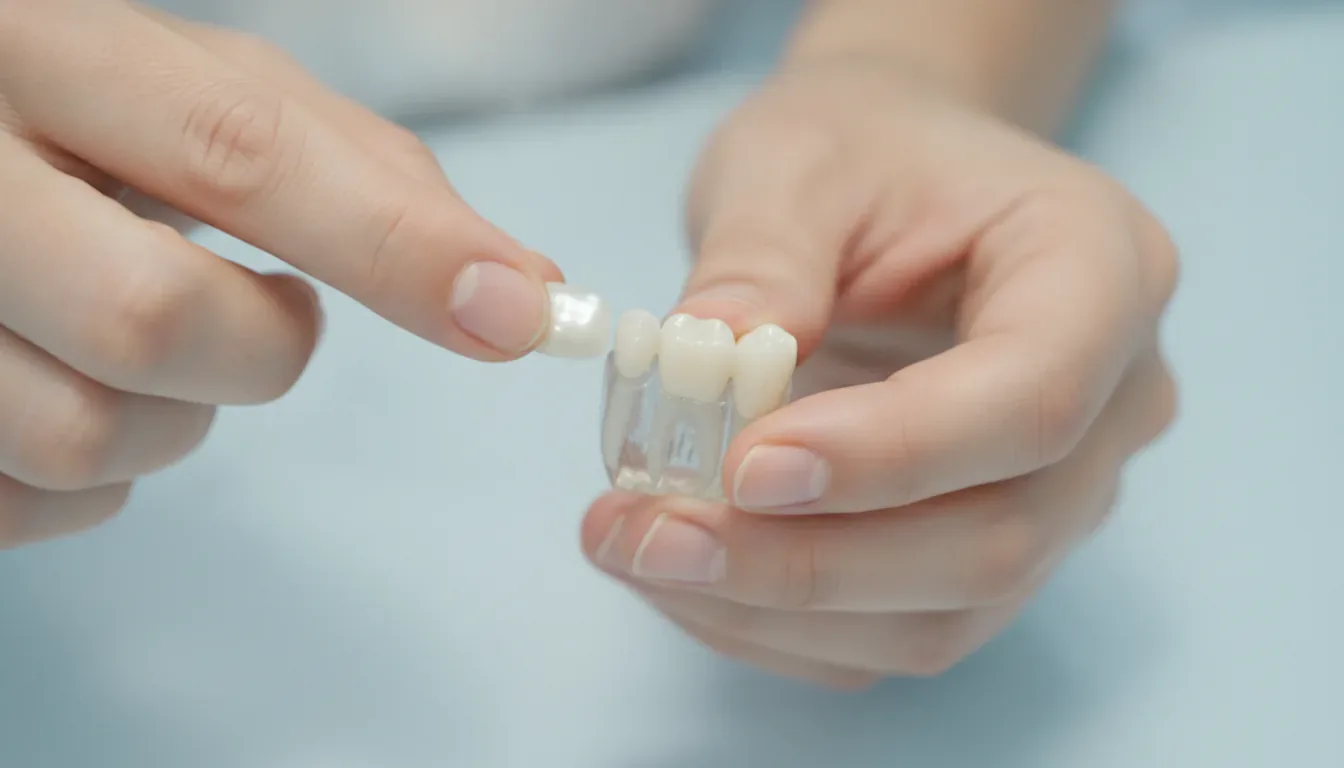
One candidacy point surprises people: whitening only works on natural tooth enamel. Crowns, veneers, and tooth-colored fillings do not lighten with peroxide. If you have visible restorations in your smile zone, a dentist can tell you whether whitening will give you an even result or leave a mismatch, which is exactly the kind of question worth asking before you spend anything.
Teeth Whitening at Dentique (Downers Grove and Lemont)
At Dentique, whitening is handled by Dr. Xhelo Shuaipaj, DDS, FDOCS, FICOI, a general and cosmetic dentist with more than 25 years of experience. That experience matters most at the decision stage, because the right call is rarely one-size-fits-all: it depends on your starting shade, any restorations in your smile, and how fast you want results. A short consult sorts that out before you commit to anything. You can read more about your full set of options on the page for teeth whitening at Dentique.
Two locations make it easy to get in. Whether you visit our Downers Grove office or the Lemont practice, you get the same approach: an honest look at whether in-office whitening or custom take-home trays fits your goals and budget, with no pressure to take the priciest path. Dentique holds a 4.9 Google rating across its patient reviews.
How Much Does Teeth Whitening Cost?
Teeth whitening costs roughly $400 to $800 for an in-office session, about $150 to $600 for dentist custom take-home trays, and around $20 to $150 for over-the-counter strips and kits. Those are national ranges, not a Dentique price list, and they exist so you can compare options honestly before you call. Insurance rarely covers whitening because it is considered cosmetic, so for most people this is an out-of-pocket decision.
Three things move your price within those ranges: the system used, your starting shade, and how stubborn the staining is. A light coffee stain on otherwise healthy enamel is a smaller job than years of deep discoloration. That is why a real quote comes after a quick look at your teeth rather than off a generic menu.
If you are weighing whether the dentist is worth the money over a cheap kit, the fair way to decide is on results and longevity, not sticker price alone. New patients can start with the $280 new patient special, a $560 value that covers a checkup, digital X-rays, and a regular cleaning, which is a low-commitment way to get your teeth assessed and a personalized whitening quote in the same visit. For a number specific to your smile, call (630) 454-9299 for Downers Grove or (630) 685-0017 for Lemont.
| Option | National cost | Speed | Results |
|---|---|---|---|
| In-office whitening | $400 to $800/session | About 1 hour | Strongest, fastest |
| Dentist take-home trays | $150 to $600 | Days to weeks | Strong, even |
| OTC strips and kits | $20 to $150 | Weeks | Mild, surface only |
Frequently Asked Questions
Is professional teeth whitening worth the cost?
For most people who want noticeable, lasting results, professional whitening is worth the money, but the honest answer is that it depends on your goal. If you have mild surface staining and modest expectations, a cheap kit may be enough. If you are a big coffee drinker with years of staining and you want a dramatic, even change that holds, in-office whitening or dentist trays deliver results that over-the-counter products cannot match. The deciding factors are how fast and how dramatic you want the change, and how long you want it to last.
Do whitening strips work as well as the dentist?
No, whitening strips do not match what a dentist can do, though they are not useless. Strips and kits use a much lower peroxide concentration than professional treatments and rely on a one-size fit that leaves coverage uneven. They can lighten mild surface stains over a few weeks. For deeper or stubborn discoloration, or for fast and dramatic results, dentist trays and in-office whitening clearly outperform them. If a cheap kit didn’t make much of a difference for you, the strength and fit gap is usually the reason.
Does teeth whitening hurt or cause sensitivity?
Teeth whitening does not usually hurt, but temporary tooth sensitivity and mild gum irritation are the common side effects. They typically appear during or shortly after treatment and settle within a few days. Many people report no tingling or discomfort at all. Sensitivity tends to be sharper after a strong in-office session and milder with lower-concentration at-home products. A dentist can adjust the approach, recommend a sensitivity toothpaste, or space out treatments if your teeth react more than expected.
How long does teeth whitening last?
Teeth whitening results typically last from about six months to three years. The range is wide because longevity depends heavily on your habits. Coffee, tea, red wine, dark sodas, and tobacco all re-stain teeth faster, while good brushing and routine cleanings help results hold. Dentist take-home trays are useful here because you keep them for occasional touch-ups, so you can refresh your shade at home instead of paying for a full treatment again.
How much does teeth whitening cost without insurance?
Without insurance, expect roughly $400 to $800 for an in-office session, about $150 to $600 for dentist custom trays, and around $20 to $150 for over-the-counter strips and kits nationally. Insurance rarely covers whitening because it is cosmetic, so most people pay out of pocket regardless. Your exact cost depends on the system, your starting shade, and how stubborn the staining is. New patients can start with the $280 new patient special and get a personalized quote during the same visit.
Is teeth whitening safe for my enamel?
Yes, teeth whitening is safe for enamel when it is supervised by a dentist or when an at-home product carries the ADA Seal of Acceptance. Whitening gel works on the stain compounds in enamel without dissolving the enamel itself. The main short-term effects are temporary sensitivity and gum irritation. To stay on the safe side, keep unsupervised at-home hydrogen peroxide at or below 3 percent, treat any cavities or gum issues first, and avoid whitening in children who still have baby teeth.
Will whitening work on crowns, veneers, or fillings?
No, whitening does not change the color of crowns, veneers, or tooth-colored fillings, because peroxide only lightens natural enamel. If you have restorations in your smile zone, whitening your natural teeth can leave them looking darker by comparison or, after the natural teeth lighten, create a visible mismatch. A dentist can check your restorations first and tell you whether whitening will give you an even result or whether replacing a restoration to match your new shade makes more sense.
Talk to Dentique About a Brighter Smile
You have the full comparison now: how whitening works, what in-office, dentist trays, and over-the-counter kits each cost, and which fits which kind of staining. The last step is matching it to your smile, and that is a quick conversation rather than a commitment. Book a no-pressure whitening consult and we will tell you honestly which option fits your goals and budget. Call (630) 454-9299 to reach our Downers Grove office, or call (630) 685-0017 for our Lemont office.