If your dentist just told you that you need a deep cleaning, you may be feeling anxious, or quietly wondering whether you are being recommended something you do not truly need. Both reactions are normal, and the CDC reports about 47% of adults have gum disease, so this is one of the most common recommendations a dentist makes. This guide explains exactly what scaling and root planing is, how to tell when you really need it, what the visit and recovery feel like, and what it costs. For a broader look at routine care, see general and family dentistry at Dentique.
What Is a Deep Cleaning (Scaling and Root Planing)?
A deep cleaning is a two-part procedure that cleans below the gumline, where a routine cleaning does not reach. The first part, scaling, removes the plaque and hardened tartar (calculus) that has built up below the gumline and inside the pockets that form between your teeth and gums. The second part, root planing, smooths the surfaces of the tooth roots. Smoother roots give bacteria less to cling to and let the gum tissue reattach more snugly to the tooth.
The contrast with a regular cleaning is the key thing to understand. A routine cleaning treats the surfaces of your teeth above the gumline and just slightly below it, which is enough when your gums are healthy. A deep cleaning goes deeper, into the pockets below the gumline, which is where gum disease actually lives. That is why your dentist cannot simply do a more thorough regular cleaning instead. The two procedures reach different places.
Scaling and root planing is the standard first-line treatment for gum disease precisely because it is non-surgical. There are no incisions and no stitches. The goal is to halt the disease and give your gums a chance to heal before anything more involved is ever considered.
Why Your Dentist Recommends It (and When You Actually Need One)
The honest answer to whether you really need a deep cleaning comes down to one objective measurement: the depth of the pockets around your teeth. Healthy gums sit snugly against the teeth with shallow pockets of about 1 to 3 millimeters. When those pockets reach roughly 4 millimeters or deeper, plaque and bacteria are trapped where a toothbrush and a regular cleaning cannot reach, and that is the threshold where scaling and root planing becomes the right treatment. If you have ever felt your gums recoil at the recommendation and thought, am I being recommended something I don’t need, the pocket-depth reading is the number to ask about. It is measurable, it is recorded in your chart, and a good dentist will show it to you.
This is also the line between gingivitis and periodontitis. Gingivitis is early, surface-level gum inflammation that a thorough regular cleaning and better home care can usually reverse. Periodontitis is the more advanced stage, where the deeper pockets and bone involvement appear, and that stage is what a deep cleaning is designed to treat. If your pockets are still shallow and your dentist is recommending a deep cleaning, it is entirely fair to ask why.
The stakes are worth understanding without the scare tactics. Untreated gum disease is the leading cause of adult tooth loss, and the chronic inflammation it causes is associated with heart disease and diabetes. The point is not to frighten you, it is to explain why a recommendation made at the 4-millimeter mark is a genuine one rather than an upsell. If you want to read more about the warning signs that lead here, see our guide to the signs of gum disease.
What to Expect During the Procedure
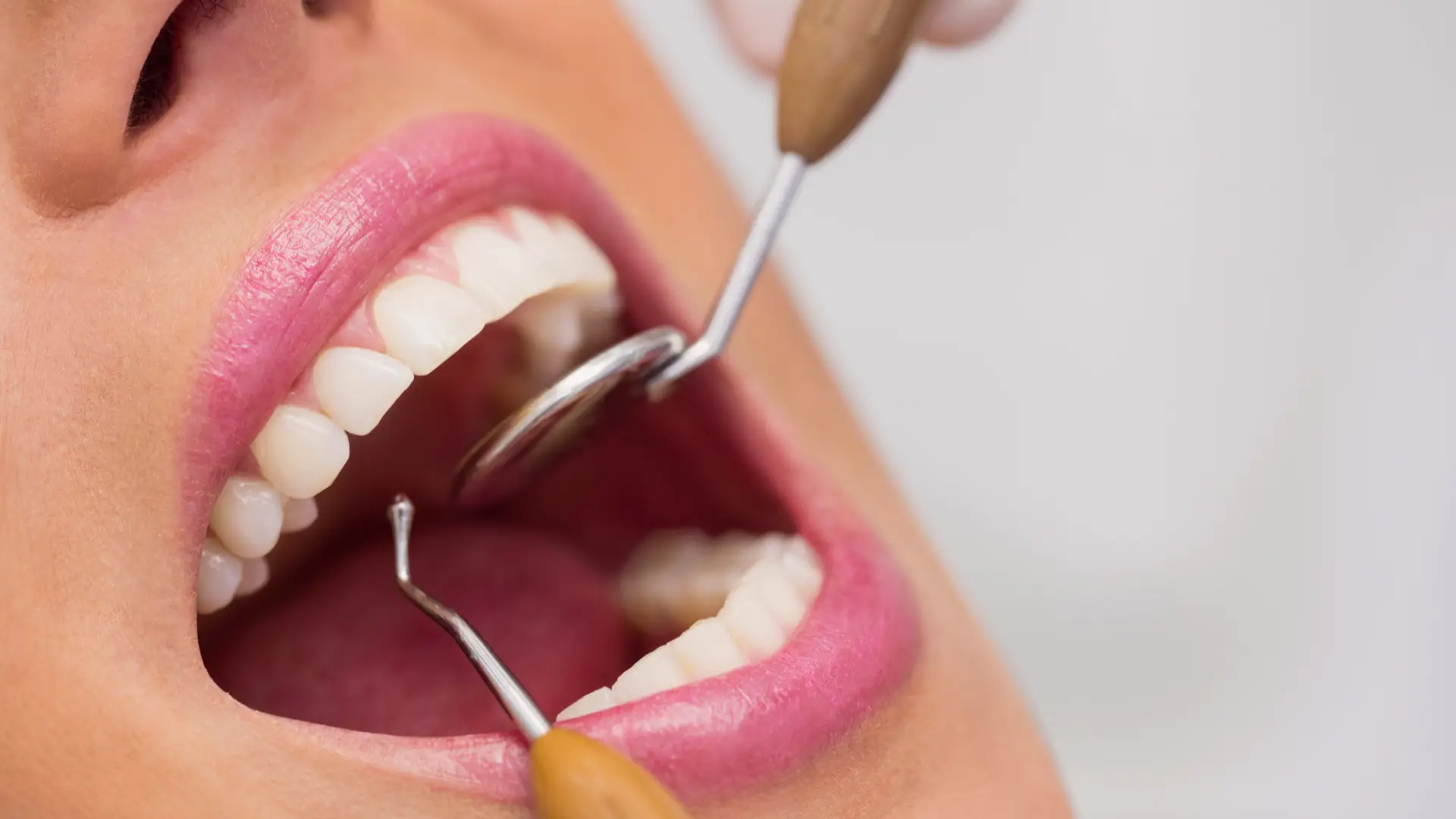
A deep cleaning is more involved than a regular cleaning, but it is a routine, predictable procedure. Your dentist or hygienist starts by numbing the area with local anesthesia, so you should not feel pain during the cleaning itself. They then use hand instruments and an ultrasonic scaler to remove tartar from below the gumline (scaling), and finish by smoothing the tooth roots (root planing).
Because the mouth is divided into four quadrants, a deep cleaning is usually done one or two quadrants at a time rather than all at once. That means most people need two or more visits, each running about 45 to 60 minutes. Splitting the work keeps any single appointment manageable and lets one side of your mouth recover while the other is treated. The procedure is minimally invasive, with no incisions and no stitches.
As for whether it hurts, the local anesthesia handles the procedure itself, and most patients describe the experience the way one put it: not unbearable, not really painful. You may feel pressure and hear the scaler, but sharp pain during the visit is not expected. The soreness comes afterward, and we cover that in the recovery section below.
If dental anxiety is part of why you have been putting this off, comfort options help. For nervous patients, Dentique offers nitrous oxide or oral conscious sedation so you can stay relaxed through the appointment. Tell the team in advance and they will plan for it.
Your deep-cleaning visit, step by step
- The dentist measures your pocket depths to confirm a deep cleaning is needed.
- The treatment area is numbed with local anesthesia.
- Scaling removes plaque and tartar from below the gumline.
- Root planing smooths the tooth roots so the gums can reattach.
- The quadrant is rinsed, and your next visit is scheduled if more quadrants remain.
Recovery and Aftercare: Day by Day
Most people return to their normal routine the same day as a deep cleaning. You will not be laid up, and you do not need time off work. What you will notice is some temporary tenderness and sensitivity as your gums and the freshly cleaned roots settle, and that fades on a predictable timeline.
For the first few days, expect mild gum soreness and possibly some minor bleeding when you brush. Over-the-counter pain relievers are usually all you need, and many patients find the discomfort modest. As one person described it, the soreness only lasted a couple of days. Tooth sensitivity to hot and cold is the longer-tailed effect: it can linger as the roots are now slightly more exposed, and it typically resolves over about one to two months. A sensitivity toothpaste helps in the meantime.
Aftercare is straightforward. Brush gently around the treated areas, keep flossing, and rinse as your dentist directs. The one lasting change is your maintenance schedule. After active treatment, most patients move to periodontal maintenance cleanings every three to four months instead of the standard six-month interval, because gum disease tends to recur without closer monitoring. That ongoing schedule is how the results of the deep cleaning are protected.
Deep Cleaning at Dentique (Downers Grove and Lemont)
At Dentique, your gum care is led by Dr. Xhelo Shuaipaj, DDS, FDOCS, FICOI, a general and family dentist with more than 25 years of experience. Our approach to deep cleanings is deliberately honest: we recommend scaling and root planing when your pocket-depth readings show you need it, and we show you those numbers so the decision is yours, not a sales pitch. You can see how gum care fits into our full range of services on the page for gum care at Dentique.
Two locations make it easy to keep up with treatment and maintenance visits. Whether you come to our Downers Grove office or the Lemont practice, you get the same standard of care, the same comfort options for anxious patients, and a team that explains every step. Dentique holds a 4.9 Google rating across its patient reviews.
How Much Does a Deep Cleaning Cost?
A deep cleaning costs roughly $150 to $400 per quadrant nationally, with a national average around $242 per quadrant. Because the mouth has four quadrants, a full-mouth treatment generally runs about $600 to $1,600 total, depending on how many quadrants need work and how severe the disease is. These are national ranges rather than a Dentique price list, and they exist so you can compare honestly before you call.
Three things drive where you land in those ranges: your pocket depth, the overall severity of the gum disease, and how many quadrants need treatment. Someone with deep cleaning needed in only one or two quadrants pays far less than someone needing all four. That is why a real number comes after a gum exam rather than off a generic menu.
Insurance is better news here than with most cosmetic work. Because scaling and root planing is a medically necessary treatment, dental insurance often covers part of it, commonly around 50 percent, which can bring your out-of-pocket cost down to roughly $75 to $200 per quadrant. Dentique accepts Delta Dental, Cigna, and Aetna, and the team can check your specific plan. One clarification on the new patient special: the $280 new patient offer (a $560 value) covers an exam, digital X-rays, and a regular cleaning, which is the entry point for a gum assessment, not a deep cleaning itself. For a personalized quote, call (630) 454-9299 for Downers Grove or (630) 685-0017 for Lemont.
| Scope | Without insurance | With ~50% coverage | Visits |
|---|---|---|---|
| Per quadrant | $150 to $400 (avg ~$242) | ~$75 to $200 | Part of one visit |
| Full mouth (4 quadrants) | $600 to $1,600 | Varies by plan | 2 or more visits |
Frequently Asked Questions
Is a deep cleaning really necessary, or am I being upsold?
A deep cleaning is necessary when your gum pockets measure about 4 millimeters or deeper, which is the objective threshold for periodontitis. The honest test is the measurement, not a feeling. Healthy gums have pockets of 1 to 3 millimeters, and at that depth a regular cleaning is enough. If your readings are at or above 4 millimeters, plaque is trapped where a toothbrush and a routine cleaning cannot reach, and scaling and root planing is the appropriate treatment. Ask your dentist to show you your pocket-depth chart. A trustworthy practice will walk you through the numbers and explain exactly why the recommendation was made.
Does a deep cleaning hurt?
A deep cleaning does not hurt during the procedure because the area is numbed with local anesthesia. You may feel pressure and hear the ultrasonic scaler, but sharp pain is not expected while you are in the chair. Most patients describe the visit as not unbearable, not really painful. Afterward, expect mild gum soreness for a few days and tooth sensitivity that can last a bit longer, both manageable with over-the-counter pain relievers. If you are anxious, nitrous oxide or oral conscious sedation can keep you relaxed throughout.
How long does deep cleaning recovery take?
Most people return to their normal routine the same day as a deep cleaning. Mild gum tenderness and minor bleeding when brushing usually settle within a few days, and many patients report the soreness only lasted a couple of days. Tooth sensitivity to hot and cold is the longer effect, typically resolving over about one to two months as the gums heal and reattach. Over-the-counter pain relievers and a sensitivity toothpaste handle the discomfort. There is no extended downtime, and you do not need to take time off work.
How much does a deep cleaning cost without insurance?
Without insurance, a deep cleaning costs roughly $150 to $400 per quadrant nationally, with a national average around $242 per quadrant. A full-mouth treatment across all four quadrants generally runs about $600 to $1,600 total. Your exact cost depends on your pocket depth, the severity of the gum disease, and how many quadrants need treatment, so someone needing only one or two quadrants pays considerably less than someone needing all four. A gum exam is what produces a real, personalized number rather than a generic estimate.
Does insurance cover scaling and root planing?
Dental insurance often covers part of scaling and root planing, commonly around 50 percent, because it is treated as a medically necessary procedure rather than a cosmetic one. With coverage, your out-of-pocket cost can drop to roughly $75 to $200 per quadrant. Coverage details vary by plan, including annual maximums and waiting periods, so it is worth confirming the specifics before treatment. Dentique accepts Delta Dental, Cigna, and Aetna, and the team can check your benefits and tell you what your plan covers before you commit.
How is a deep cleaning different from a regular cleaning?
A deep cleaning reaches below the gumline into the pockets where gum disease lives, while a regular cleaning treats the tooth surfaces above the gumline and just slightly below it. A routine cleaning is preventive and appropriate for healthy gums. A deep cleaning is a treatment for periodontitis, involves scaling below the gumline and smoothing the tooth roots, is usually done under local anesthesia, and is often split across quadrants and multiple visits. The two are not interchangeable because they physically reach different parts of the tooth and gum.
How often will I need deep cleanings after the first one?
After your initial scaling and root planing, you usually will not need the full deep cleaning repeated, but you will move to a closer maintenance schedule. Most patients shift to periodontal maintenance cleanings every three to four months rather than the standard six-month interval, because gum disease can recur without closer monitoring. These maintenance visits keep the pockets clean and let your dentist catch any return of inflammation early. How long you stay on the three to four month schedule depends on how well your gums respond and how consistent your home care is.
Talk to Dentique About Your Gum Health
If you are still gathering information and unsure whether a deep cleaning is the right call, that is exactly the right place to start from. Book a no-pressure gum-health exam and the team will measure your pockets, show you the readings, and explain honestly whether scaling and root planing is warranted. There is no obligation to schedule treatment. Call (630) 454-9299 to reach our Downers Grove office, or call (630) 685-0017 for our Lemont office.