
Veneers for cosmetic perfection. Crowns for structural repair. Bonding for quick fixes. If you are comparing these three cosmetic dental options, the right choice depends on the condition of your teeth, your goals for your smile, and your budget. Here is the full comparison, including cost, longevity, and which option Dr. Xhelo Shuaipaj recommends for different situations.
Porcelain veneers cover the front surface of teeth for cosmetic improvement and show a 96% survival rate at five years. Dental crowns cap the entire tooth to restore structural integrity, lasting 10 to 15 years on average. Dental bonding uses composite resin for minor repairs and costs a fraction of either option. Dentique Dental Care in Downers Grove offers all three cosmetic treatments.
Veneers vs Crowns vs Bonding: Side-by-Side
Before diving into each option, this comparison table breaks down veneers vs crowns vs bonding across the criteria that matter most: longevity, cost, tooth removal, and ideal use case.
| Criteria | Veneers | Crowns | Bonding |
| What It Does | Thin shells bonded to front surface of teeth | Full cap covering the entire tooth | Composite resin applied directly and shaped by hand |
| Best For | Cosmetic concerns on healthy teeth: discoloration, chips, gaps, minor misalignment | Structural damage: large fillings, cracks, post-root-canal teeth | Minor cosmetic fixes: small chips, narrow gaps, single-tooth repairs |
| Tooth Removal Required | 0.5 to 0.7mm of enamel (irreversible) | 1 to 2mm from all sides (irreversible) | Little to none (reversible) |
| Longevity | 10 to 20 years (96% survival at 5 years) | 10 to 15+ years | 3 to 10 years |
| Stain Resistance | High (porcelain resists staining) | High (porcelain or zirconia) | Moderate (composite can stain over time) |
| Reversible? | No | No | Yes |
| Cost Range (National Avg) | $1,000 to $2,500 per tooth | $1,200 to $2,500 per tooth | $200 to $600 per tooth |
| Insurance Coverage Likelihood | Rarely (considered cosmetic) | Often (frequently medically necessary) | Rarely (considered cosmetic) |
Explore all cosmetic dentistry options available at Dentique to see how these treatments fit into a comprehensive smile plan.
What Are Dental Veneers? The Cosmetic Gold Standard
A 2024 clinical review of 672 ceramic veneers found a cumulative 15-year estimated survival rate of 96%, with enamel-bonded veneers achieving near-perfect survival at 99%. Porcelain veneers remain the top cosmetic choice for patients seeking lasting, natural-looking smile improvements.
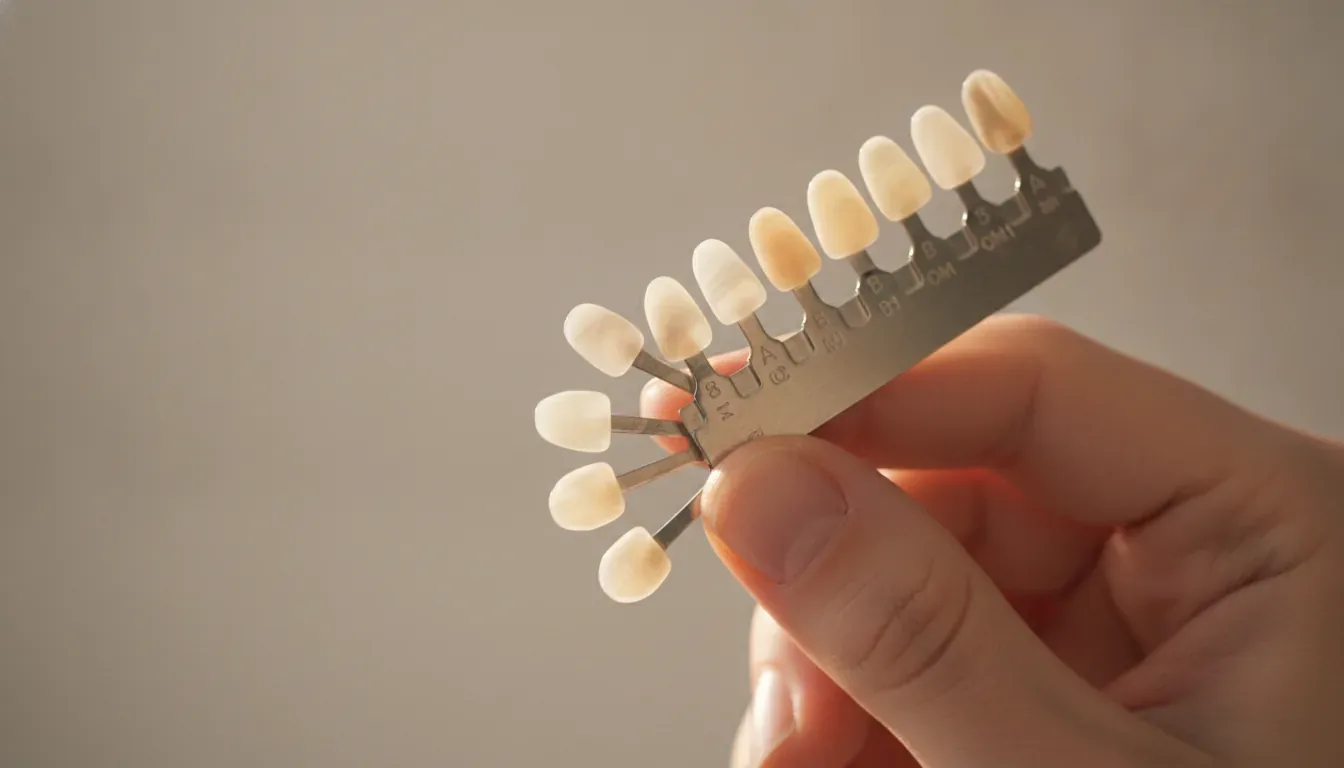
Dental veneers are thin, custom-made shells (typically porcelain or composite resin) bonded to the front surface of your teeth. They correct discoloration, chips, gaps, and minor misalignment in a way that looks and feels natural. Porcelain veneers resist staining better than composite and tend to last longer, typically 10 to 20 years with proper care.
The process requires removing 0.5 to 0.7mm of enamel from each tooth, which makes veneers irreversible. When you compare veneers vs bonding, that enamel removal is the biggest trade-off: bonding requires little to none. But patients who choose veneers frequently describe the result as a “dream smile” and say they feel finally confident showing their teeth. For healthy teeth with purely cosmetic concerns, veneers are the strongest long-term option.
Veneers are not ideal for teeth with structural damage or for patients who grind their teeth (bruxism), since porcelain can crack under excessive force. Explore our complete guide to at Dentique for a deeper look at porcelain versus composite types and the full placement process.
What Are Dental Crowns? Strength Meets Appearance
Dental crowns cover the entire visible portion of a tooth to restore both strength and appearance. According to the American Dental Association, crowns are indicated for teeth weakened by decay, fractures, or large fillings, and they typically last 10 to 15 years or longer with routine care.
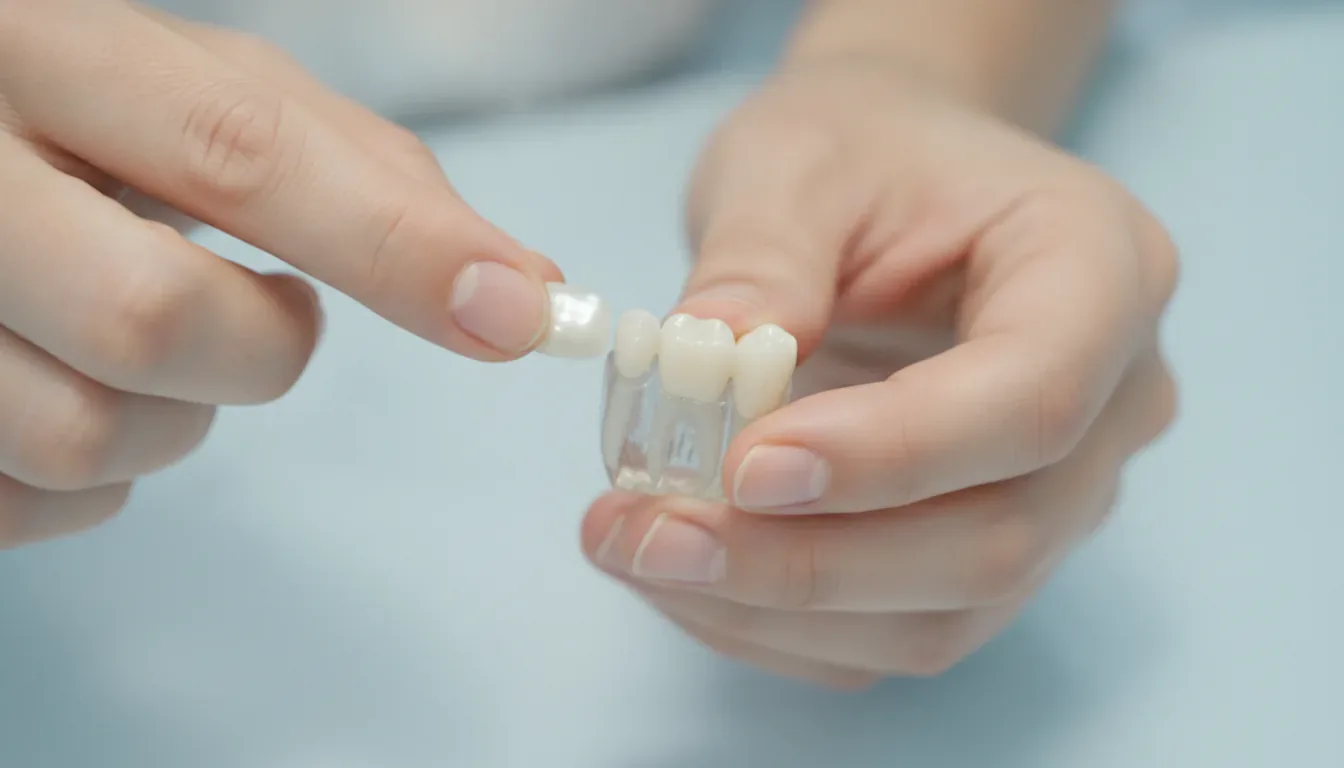
A dental crown is a full-coverage cap placed over a tooth that has been reduced by 1 to 2mm on all sides. Crown materials include porcelain, zirconia, and porcelain-fused-to-metal (PFM). Each material offers a different balance of strength and aesthetics; your dentist will recommend one based on the tooth’s location and the forces it needs to handle.
Among cosmetic options, crowns stand apart because they serve both a functional and an aesthetic purpose. Insurance is more likely to cover crowns than veneers or bonding because crowns are frequently medically necessary, not just cosmetic. If you have a cracked tooth, a large old filling, or a tooth weakened after a root canal, a crown protects the remaining structure while restoring the tooth’s appearance.
The downside is more tooth removal compared to veneers, and the process is irreversible. Crowns also tend to cost more per tooth than bonding, though insurance coverage offsets that for many patients. Learn more about dental crown options including materials and process.
What Is Dental Bonding? The Quick Cosmetic Fix
Dental bonding uses tooth-colored composite resin applied directly to the tooth, shaped by hand, and hardened with a curing light. It is the only one of the three cosmetic options that requires little to no enamel removal, making it the sole reversible choice.
Bonding is the fastest and most affordable cosmetic dental treatment. The national average cost ranges from $200 to $600 per tooth, and most bonding procedures are completed in a single visit, often in under an hour. There is no lab work, no temporary restorations, and minimal discomfort.
Bonding is ideal for minor chips, small gaps between teeth, and single-tooth cosmetic improvements. It is also a good option for patients who want to try a cosmetic change without the permanence of veneers or crowns. Because no enamel is removed (or only a minimal amount), bonding can be reversed or replaced later.
The trade-off is durability. Bonding lasts 3 to 10 years depending on care and placement, which is significantly shorter than veneers or crowns. Composite resin also stains more easily than porcelain, so patients who drink coffee or red wine may notice discoloration over time. For larger cosmetic goals or multiple teeth, veneers deliver a more uniform, longer-lasting result. See our DG cosmetic dental work including all three options.
Which Option Fits Your Smile Goals?
Choosing between veneers, crowns, and bonding comes down to three factors: the current condition of your teeth, your cosmetic goals, and your budget.
If you want to transform the appearance of healthy front teeth, veneers are the strongest option. Porcelain veneers create a uniform, stain-resistant smile that lasts 10 to 20 years. For cosmetic transformation, explore veneers in Downers Grove.
If you have a cracked, weakened, or root-canaled tooth, a crown is the right call. Crowns restore both strength and appearance, and insurance is more likely to help with the cost. If a crown is your best fit, learn about dental crowns in Downers Grove.
If you have a minor chip or gap and want a fast, affordable fix, bonding gets the job done in one visit. It is the only reversible option, so you can upgrade later if you choose.
Dr. Shuaipaj, a general and sedation dentist with extensive cosmetic experience, evaluates your tooth structure, cosmetic goals, and budget to recommend the best fit. Patients consistently describe the right cosmetic treatment as the “best investment” they have made in their confidence.
Veneers, Crowns and Bonding: What They Cost at Dentique
Dentique Dental Care believes in transparent, all-in pricing. Here is how our costs compare to national averages.
| Treatment | Dentique Price | National Average | Insurance Likelihood |
| Dental Crowns | $1,700 (all-in) | $1,200 to $2,500 | Often covered (medically necessary) |
| Porcelain Veneers | Contact for personalized quote | $1,000 to $2,500 | Rarely covered (cosmetic) |
| Dental Bonding | Contact for personalized quote | $200 to $600 | Rarely covered (cosmetic) |
Dentique offers flexible payment plans so the cost of cosmetic treatment does not have to stand between you and the smile you want. For patients wondering whether their plan covers any portion, review our dental insurance information page.
Common Questions About Cosmetic Dental Options
Can I get veneers if I grind my teeth?
Bruxism (teeth grinding) is a contraindication for porcelain veneers because excessive force can crack or chip the porcelain. Dr. Shuaipaj evaluates grinding patterns before recommending veneers. In some cases, a custom night guard worn after placement can protect the investment. If grinding is severe, a dental crown or bonding may be a more durable alternative for your situation.
Does insurance cover veneers or bonding?
Insurance rarely covers veneers or bonding because both are considered cosmetic procedures. Dental crowns, on the other hand, are often partially or fully covered when they are medically necessary (for example, after a root canal or to restore a cracked tooth). Dentique accepts most PPO plans and offers dental insurance information to help you understand your specific benefits.
How do I know if I need a crown instead of a veneer?
The key difference is structural. If your tooth is healthy but cosmetically flawed (stained, chipped, or slightly crooked), a veneer addresses the appearance without affecting the tooth’s strength. If your tooth is cracked, has a large filling, or has undergone a root canal, a crown is necessary to restore structural integrity. Dr. Shuaipaj will assess whether your tooth needs reinforcement or simply a cosmetic upgrade.
Can dental bonding fix a gap in my front teeth?
Yes. Dental bonding is one of the most common treatments for closing small gaps between front teeth. The composite resin is shaped to widen each tooth slightly, closing the space in a single visit. For wider gaps or multiple spacing issues, veneers may provide a more uniform result. Bonding is a great starting point, and patients who try it often say they “can’t stop smiling” afterward.
Talk to Dr. Shuaipaj About Your Best Option
Choosing between veneers, crowns, and bonding depends on your specific teeth, your goals, and your budget. Dr. Shuaipaj will evaluate your teeth and recommend the option that fits your situation. For patients who feel nervous about cosmetic procedures, Dentique offers nitrous oxide and oral sedation to keep you comfortable throughout your visit.
Ready to find out which cosmetic option is right for your smile? Call (630) 963-6003 or visit our dental work page to schedule a conversation with Dr. Shuaipaj.