Having placed hundreds of dental implants at Dentique Dental Care in Downers Grove and Lemont, Dr. Xhelo Shuaipaj has seen firsthand how All-on-4 changes the lives of patients who believed full-mouth restoration was permanently out of reach.
All-on-4 dental implants restore a complete arch of teeth using four strategically placed titanium implants, with no bone grafting required in most cases. A Nobel Biocare clinical study tracking 1,072 patients over 18 years found a 99.2% prosthetic survival rate. At Dentique Dental Care, the procedure can be completed with sedation for patients who need comfort support.
If you have lost most or all of your teeth and want a permanent, fixed solution, this guide covers everything you need to know: what All-on-4 is, whether you may qualify, what the process looks like, and what to realistically expect to pay.
Why All-on-4 Is Changing Full Mouth Restoration
For adults who have lost most or all of their teeth, the options have historically felt overwhelming and expensive. Traditional removable dentures slip, require adhesive, and, critically, do nothing to preserve the jawbone underneath them. The longer a tooth is missing, the more jawbone resorbs around the gap, which changes the shape of your face over time and makes future dental treatment more complex.
All-on-4 changes this equation. The four titanium implant posts fuse directly with your jawbone and stimulate it the way natural tooth roots do. Some patients call this procedure “same day dental implants” or “teeth in a day,” and that description is accurate: in most cases, a temporary prosthetic is placed the same day as the implant posts, so you leave the office with a full arch of teeth.
According to WHO Global Oral Health data, over 23% of adults aged 60 and older experience complete tooth loss globally. Full mouth implants are now the leading permanent alternative to dentures for this group, and the clinical outcomes support why. Learn more about our full implant services
What Are All-on-4 Dental Implants? A Plain-English Explanation
All-on-4 dental implants use four titanium posts per arch to anchor a full set of fixed replacement teeth. Two implants are placed vertically at the front of the jaw, and two are angled at roughly 45 degrees toward the back. This angled placement is the key engineering insight behind the procedure: it allows the implants to reach denser areas of bone and distribute bite force more evenly, which is why bone grafting is not required in most cases.
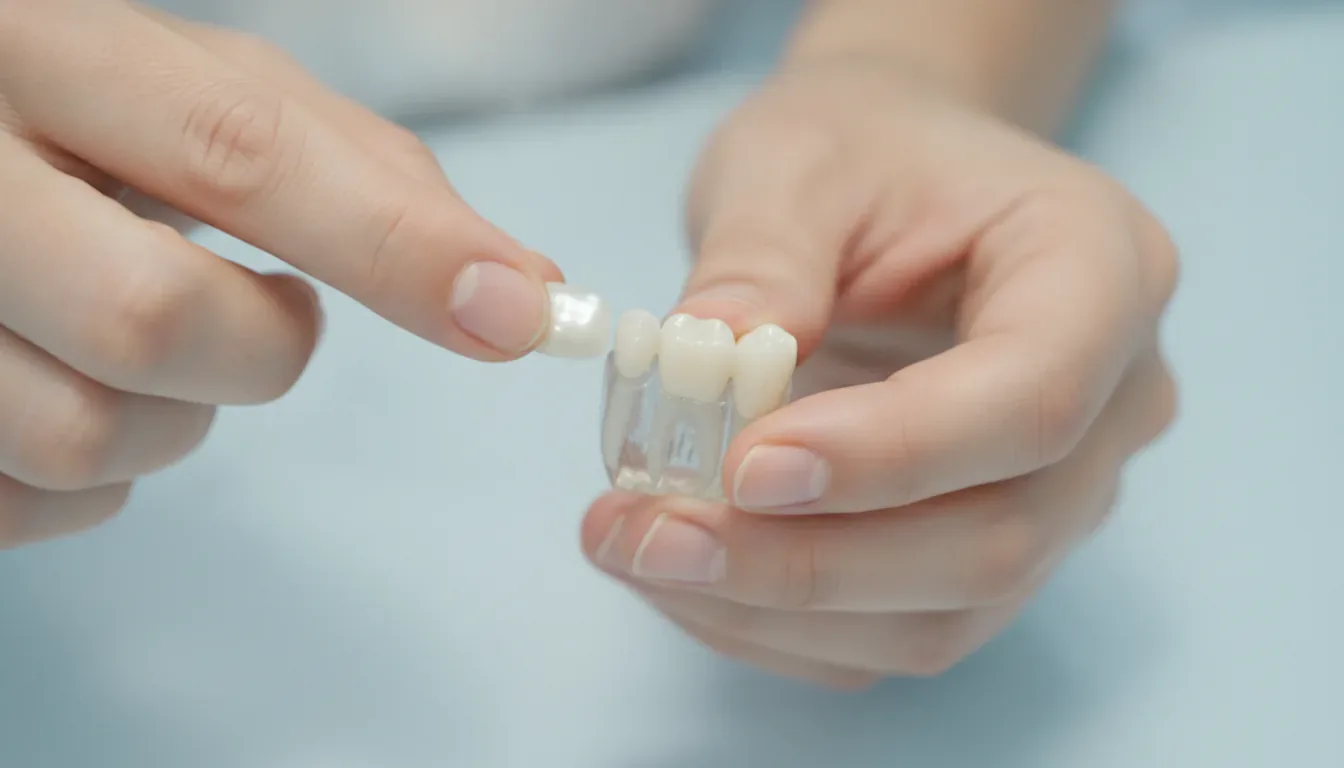
The titanium posts are designed to undergo osseointegration, which is the process by which the implant fuses with your living bone tissue. Once osseointegration is complete, the posts function like permanent tooth roots. The visible component, the prosthetic arch containing the replacement teeth, attaches to these posts and is fixed in place. It does not come out for cleaning the way dentures do.
A note on longevity: the titanium posts are designed to last 20 years or more, often a lifetime with proper care. The prosthetic arch (the replacement teeth themselves) may need evaluation or replacement after 10 to 15 years due to normal wear. Understanding this distinction upfront prevents surprises later.
All-on-4 vs Traditional Dentures: A Quick Comparison
| Factor | All-on-4 Dental Implants | Traditional Dentures |
| Stability | Fixed permanently. No slipping, no adhesive required. | Removable. Can shift during eating and speaking. |
| Bone Preservation | Stimulates jawbone through osseointegration, preserving bone density. | No bone stimulation. Bone loss continues over time. |
| Long-Term Cost | Higher upfront investment. Lower maintenance cost long term. | Lower upfront cost. Ongoing cost for adhesives, relining, and eventual replacement. |
For a deeper look at the clinical and lifestyle differences, see how implants compare to dentures
Are You a Candidate for All-on-4? Signs You May Qualify
Most adults with significant tooth loss are candidates for All-on-4. The procedure was specifically designed to work in patients with reduced bone density, which means many people who were told they could not get implants because of bone loss are actually good candidates. The angled posterior placement reaches denser, deeper bone that is less affected by resorption.
You may be a candidate if you:
- You have lost most or all of your teeth on the upper or lower arch (or both)
- You are currently wearing dentures and are unhappy with how they fit or function
- You have been told you do not have enough bone for traditional implants
- You are in generally good health without uncontrolled systemic conditions
- You are a non-smoker or are willing to stop smoking during healing (smoking increases complication risk)
Who may need additional evaluation before proceeding: patients with uncontrolled diabetes, active infection in the mouth, or certain autoimmune conditions may need those issues addressed first. Dr. Shuaipaj evaluates each case individually. The consultation and a 3D CBCT scan are the only way to confirm whether you qualify, and that assessment is where the process begins.
For patients who feel anxious about the procedure, the treatment is (sedation-dentistry), which we cover in more detail in the process section below.
What to Expect: The All-on-4 Process from Consultation to New Smile
All-on-4 follows a clear, predictable path. Here is what each stage looks like and what you need to know before arriving:
numbered step infographic | 4 steps with icons: Consultation / Placement / Healing / Final Smile | placement: before step detail paragraphs
Step 1: Consultation and 3D CBCT Scan
Your first appointment includes a full evaluation of your oral health, a review of your medical history, and a 3D cone beam CT scan of your jaw. This scan shows the exact bone volume, density, and anatomy available, and it is what allows Dr. Shuaipaj to plan the precise positioning of each implant before any surgery begins. You do not need to guess whether you qualify before this appointment.
Step 2: Implant Placement Day
On placement day, the four titanium posts are surgically placed into the jawbone under local anesthesia. Sedation (nitrous oxide or oral sedation) is available for patients who want additional comfort. A temporary prosthetic arch is placed the same day, meaning you leave with a full set of teeth. This is the moment that earns the name “teeth in a day.” For a detailed walkthrough of what happens during implant surgery, see
Step 3: Healing and Osseointegration
The healing period typically lasts 4 to 6 months. During this time, the titanium posts fuse with the bone, a process that happens naturally as long as the implant site is protected. You will follow a soft-food diet during this phase and attend follow-up appointments to monitor integration. A 10-year longitudinal study published in the Journal of the American Dental Association tracked 245 patients and reported 94.8% implant success at 10 years, with proper maintenance identified as the primary factor in long-term outcomes.
Step 4: Final Prosthetic Placement
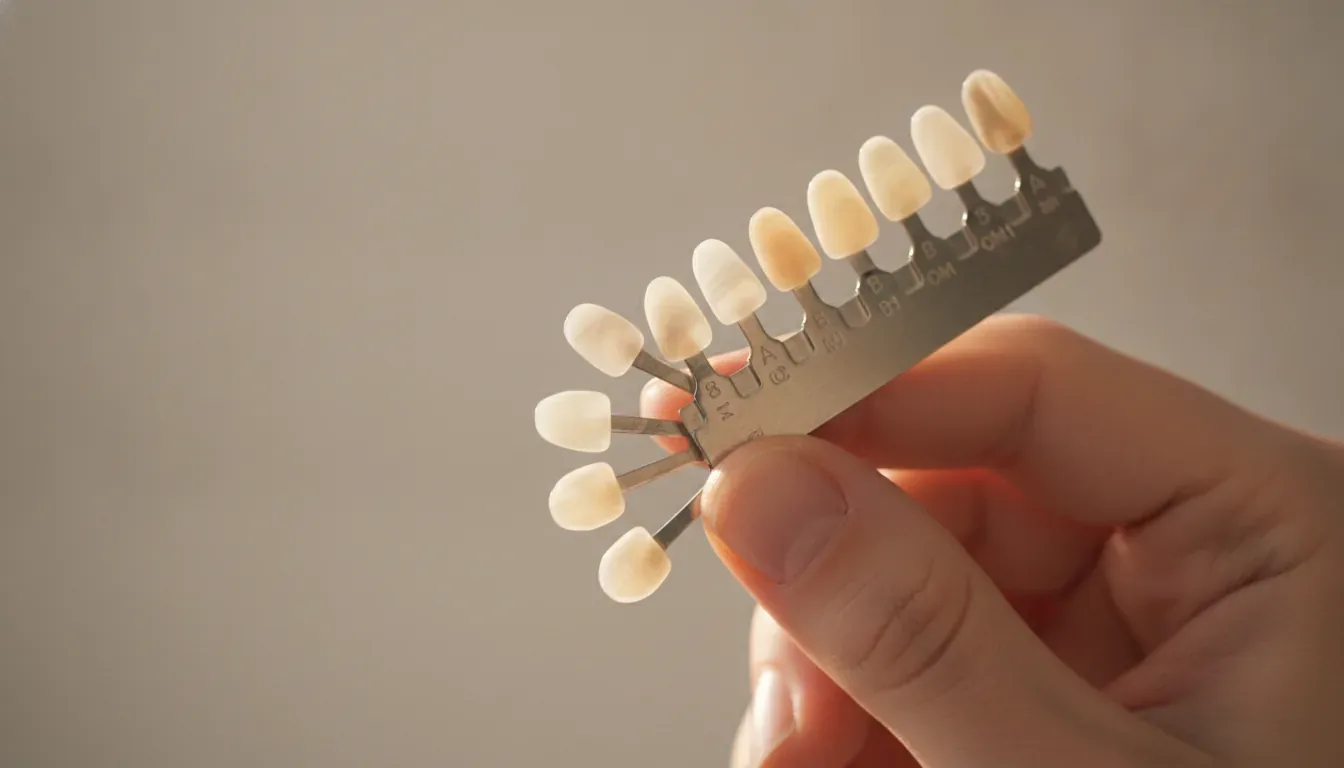
Once osseointegration is confirmed, the temporary arch is replaced with the permanent prosthetic. This is the final smile: designed to match natural tooth shape, shade, and gum line. After this appointment, you maintain the implants with regular professional cleanings and good home hygiene, including a water flosser to clean beneath the arch. The titanium posts are designed to last decades. The prosthetic arch may be evaluated or replaced after 10 to 15 years due to normal wear, which is a realistic expectation to set from the beginning.
How Much Do All-on-4 Dental Implants Cost?
The sticker shock is real. Most people searching for All-on-4 pricing encounter numbers that range from vague to alarming, and rarely see a clear breakdown of what drives the difference. Here is the honest picture.
The national average for All-on-4 full arch dental implants ranges from $18,000 to $38,000 per arch in 2026. A full mouth restoration (both upper and lower arches) typically runs $35,000 to $70,000 or more. These numbers reflect the materials used (acrylic prosthetics are less expensive than zirconia), the number of extractions required, whether bone grafting is needed, and geographic cost variation.
pricing table | columns: Option / Typical Cost / Notes | rows: Single Tooth Implant / All-on-4 Per Arch / Traditional Dentures | placement: after opening paragraph
| Option | Typical Cost Range | Notes |
| Single Tooth Implant | $6,000 all-in at Dentique | Includes implant post, abutment, and crown. No hidden fees. |
| All-on-4 Full Arch | $18,000 to $38,000 per arch (national avg.) | Contact Dentique for a personalized, itemized quote. |
| Traditional Dentures | $1,500 to $5,000+ per arch | Lower upfront cost; ongoing expenses for relining and adhesive. |
At Dentique, our single dental implants are priced at $6,000 all-in, which includes the implant post, the abutment, and the crown. No separate line items added after the fact. That pricing transparency is a principle we apply to everything we do. For All-on-4 full-arch treatment, contact us for a personalized consultation. We will provide a complete, itemized quote before any treatment begins, so the only surprise is how straightforward the process can be.
On insurance: most dental insurance plans do not cover the full cost of All-on-4. Some plans cover extractions, diagnostic imaging, or a portion of a prosthetic crown. It is worth checking your specific plan before assuming nothing applies.
For patients who need to spread the cost, we offer flexible payment plans including CareCredit financing. You can also check your insurance coverage directly through our office.
For patients researching the full cost picture for dental implants in Illinois, our complete Illinois dental implant cost guide dental implant cost guide covers all the variables in depth.
What Dr. Shuaipaj Wants You to Know About All-on-4
The most common thing I hear at a first consultation is some version of ‘I wasn’t sure I would even qualify.’ The reality is that most patients who come in with that uncertainty do qualify. The 3D scan removes the guesswork for both of us. We can see exactly what we are working with and plan accordingly. I have had patients who were turned away elsewhere because of bone loss and who turned out to be excellent All-on-4 candidates precisely because the angled placement works around the areas of low density.
The recovery is also typically easier than patients expect. The placement day is handled under local anesthesia with sedation available (nitrous oxide or oral sedation) for patients who want it. Most patients describe the discomfort as manageable and are eating soft foods within the first week.
One thing I want patients to understand upfront: there is a temporary prosthetic phase. You leave with teeth the day of surgery, but those are not your final teeth. The permanent arch is placed after healing is complete. Patients who know this in advance have a much smoother experience than those who find out partway through.
When patients ask if it is worth the investment, I point to the clinical data: a 99.2% prosthetic survival rate at 18 years from Nobel Biocare’s study tracking over 1,000 patients. The science is there. The outcomes are consistent. Worth every penny is the phrase I hear most often from patients a year after their final placement.
To learn more about Dr. Shuaipaj’s experience and background, see Dr. Shuaipaj’s approach to implant dentistry
4 All-on-4 Myths That Keep People From Getting Their Smile Back
Myth 1: You need extensive bone grafts before All-on-4.
Truth: The angled posterior implant design was developed specifically to work with reduced bone. The posterior implants are placed at an angle to reach denser bone deeper in the jaw, which is why most All-on-4 patients do not require bone grafting. This is one of the key advantages over conventional implant protocols. Patient language from implant forums captures it accurately: ‘I was told I needed bone grafts everywhere, but All-on-4 avoided that.’ For an honest overview of what complications can occur, the
AAID All-on-4 complications guide from the American Academy of Implant Dentistry is a thorough resource.
Myth 2: All-on-4 means you will have fake-looking teeth.
Truth: Modern prosthetic technology produces arches designed to match natural tooth shape, shade, and gum line appearance. Zirconia prosthetics in particular are difficult to distinguish from natural teeth. The aesthetic goal of All-on-4 is not to look like someone who got implants. It is to look like someone who never lost their teeth.
Myth 3: The recovery takes months before you have any teeth.
Truth: A temporary prosthetic is placed the same day as the implant posts. You leave the office with a full arch of teeth. The healing period (4 to 6 months) allows the posts to fuse with the bone, but you are not toothless during that time. The final permanent prosthetic replaces the temporary arch after healing.
Myth 4: All-on-4 is only for older patients.
Truth: Any adult with significant tooth loss may be a candidate, regardless of age. Tooth loss from injury, severe decay, or genetic conditions affects adults across all age groups. The candidacy criteria are based on bone volume, overall health, and specific oral conditions, not age.
Frequently Asked Questions About All-on-4 Dental Implants
What is the average cost of All-on-4 dental implants?
The national average for all-on-4 dental implants ranges from $18,000 to $38,000 per arch in 2026. A full mouth restoration covering both arches typically falls between $35,000 and $70,000 or more. The variation is driven by the prosthetic material (acrylic vs zirconia), the number of extractions required, whether bone grafting is needed, and geographic pricing differences. At Dentique, we provide a fully itemized quote before treatment begins. Our single dental implants are priced at $6,000 all-in, which includes the implant, abutment, and crown with no hidden fees. Contact us for a personalized All-on-4 consultation and quote.
How long do All-on-4 dental implants last?
The titanium implant posts are designed to last 20 years or more, often a lifetime when properly integrated and maintained. The prosthetic arch, which is the visible set of replacement teeth and gum tissue, may require evaluation or replacement after 10 to 15 years due to normal wear. The Nobel Biocare 18-year study tracking 1,072 patients found a 99.2% prosthetic survival rate, which gives a reliable picture of long-term outcomes. Regular professional cleanings and proper home hygiene, including a water flosser, are the primary factors in maximizing longevity.
What is the downside of All-on-4 dental implants?
The main downsides are the upfront cost, the temporary prosthetic phase during healing (4 to 6 months before the final arch is placed), and the requirement for regular professional maintenance. Not every case eliminates bone grafting, though most do. Smokers have a higher complication risk and should discuss this with Dr. Shuaipaj before proceeding. The procedure also requires a period of soft-food eating during healing. These are manageable realities, not reasons to avoid the procedure, but knowing them in advance makes the process easier to navigate.
For a full picture of potential complications, see the from the American Academy of Implant Dentistry.
Does food get stuck under All-on-4 dental implants?
Small food particles can collect in the space between the prosthetic arch and the gumline. This is a normal characteristic of the prosthetic design, not a defect, and most patients adapt their cleaning routine within the first few weeks. A water flosser used once or twice daily is the most effective tool for clearing this area. Regular professional cleanings are also important. The goal is consistent hygiene, which most patients find manageable after the initial adjustment period.
Does dental insurance cover All-on-4 dental implants?
Most dental insurance plans do not cover the full cost of All-on-4. Plans may cover related procedures such as extractions, diagnostic imaging, or a portion of a prosthetic crown component. Coverage varies widely by plan, so reviewing your policy or having our team check your benefits is worth doing before the consultation. For the portion not covered by insurance, financing options including CareCredit are available.
Ready to Restore Your Smile? Here Is What to Do Next
All-on-4 dental implants in Downers Grove and Lemont are now a permanent, clinically proven option for adults who are ready to stop managing the limitations of tooth loss or ill-fitting dentures. If you have been researching this for a while, you already know more than most people who walk into their first consultation.
The next step is a conversation, not a commitment. A 3D scan and consultation at our Downers Grove or Lemont office gives both you and Dr. Shuaipaj the complete picture of your candidacy, your timeline, and your options. Explore your options at Dentique: implants at Dentique Start with a free consultation: call (630) 963-6003 or visit our new patients page.