
If the thought of sedation makes you nervous, you are in good company. That feeling is real, it is common, and it makes complete sense to want a straight answer before you do anything.
The short answer is yes. The fuller answer is that safety depends on the right provider, the right screening, and the right level of sedation for your situation. This guide covers all three.
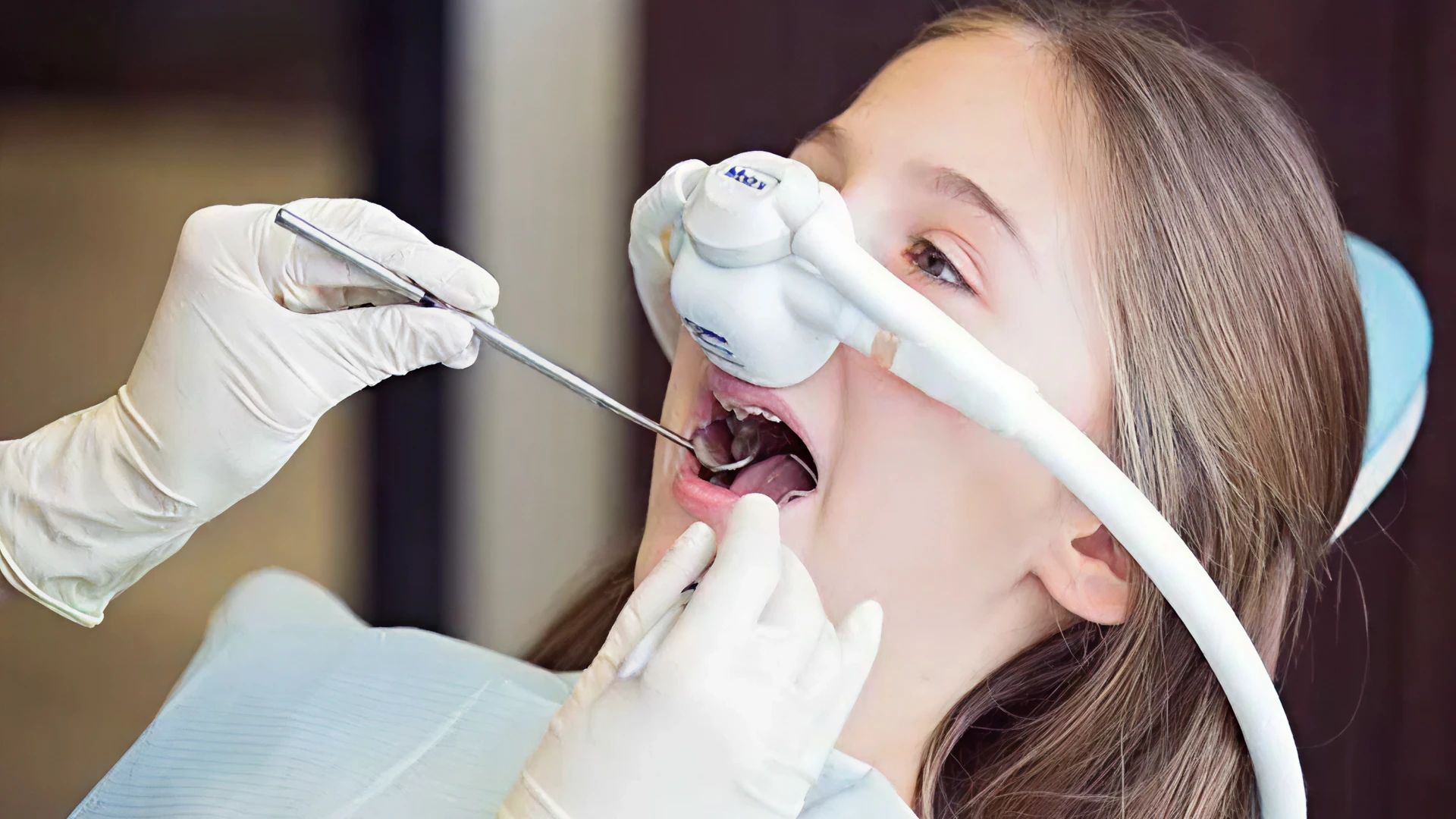
Your concern about sedation safety is not an overreaction. According to a September 2025 census-matched national study published in the Journal of the American Dental Association, nearly three in four American adults report fear of the dentist — 45.8% moderate and 26.8% severe.
That fear is real. And if you are wondering whether sedation is safe, you deserve a straight answer, not reassurance without evidence. If dental anxiety is affecting how often you seek care, exploring your dental anxiety and sedation options is a useful next step.
The rest of this page covers what sedation dentistry actually does, the safety record it has, how Dentique screens every patient before administering it, and the specific monitoring that happens during the procedure. No pressure to book anything. Just the information you need to make an informed decision.
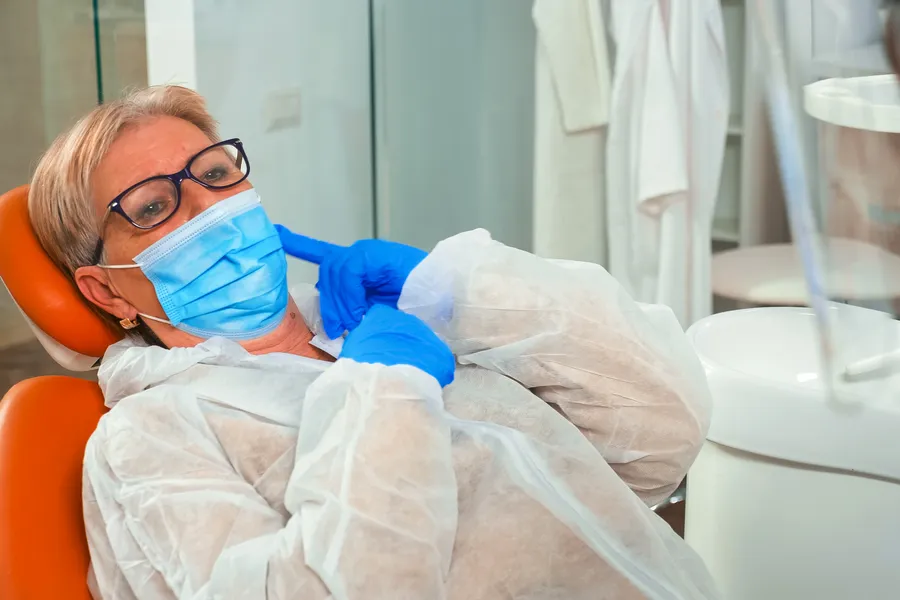
Sedation dentistry has a strong safety profile when delivered by a credentialed provider. Common side effects — drowsiness and dry mouth — are mild and temporary. Serious complications are rare and most often linked to incomplete medical history disclosure or inadequate monitoring, not to the sedation itself. Continuous monitoring of oxygen levels, heart rate, and blood pressure is the standard of care.
The risks of sedation dentistry are real, but they are well understood and well managed. According to clinical data from NIH StatPearls, the serious complication rate for conscious sedation in dentistry is low when the provider follows established monitoring protocols.
The most common side effects are temporary: drowsiness after the appointment, dry mouth, and occasionally mild nausea. These resolve within hours. Research on conscious sedation in dentistry consistently shows that adverse events are linked to inadequate pre-procedure screening, not to sedation itself.
A trained sedation dentist does not simply administer medication and step away. Throughout your procedure, your vital signs are monitored continuously: oxygen saturation, heart rate, blood pressure, and level of consciousness are tracked from start to finish. If you want to understand the training standards sedation dentists must meet, the ADA Guidelines for the Use of Sedation and General Anesthesia by Dentists outlines the certification and permit requirements in detail.
Continuous monitoring is what makes oral sedation with a simple pill safe in a dental setting. Your provider knows immediately if anything needs attention, and they are trained to respond. During every sedation procedure at Dentique, the following vital signs are tracked from start to finish:
Monitoring is continuous throughout the procedure, not periodic. This is the standard of care for oral sedation and the reason the safety record for properly administered conscious sedation is well established. To understand the full experience and what you will feel, visit what sedation dentistry actually feels like.
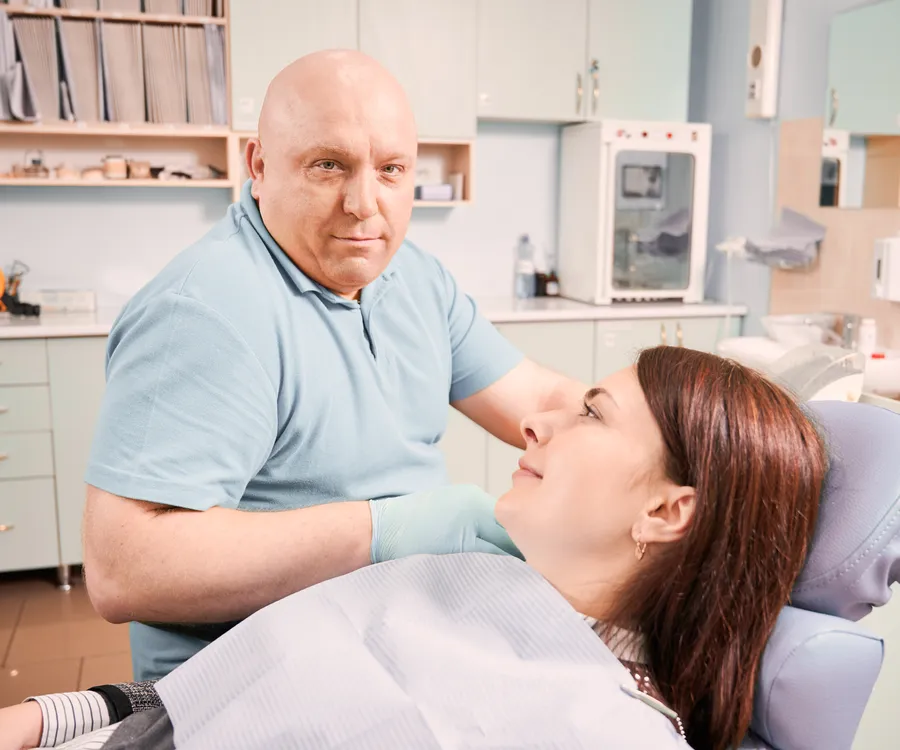
Understanding the differences helps you ask the right questions. Each option has a distinct safety profile, a different recovery experience, and a different best-fit use case. Here is the comparison at a glance.
Nitrous oxide is the gentlest option and clears the system in minutes. Oral sedation produces a deeper sense of calm with a recovery period of 4–6 hours. For deeper context, read more about oral sedation with a simple pill or nitrous oxide laughing gas.
| Feature | Nitrous Oxide | Oral Sedation |
|---|---|---|
| How It Works | Inhaled through a nasal mask | Pill taken 1 hour before the appointment |
| Sedation Depth | Mild; awake and fully relaxed | Moderate; drowsy and deeply relaxed |
| Recovery Time | Minutes; wears off immediately | 4–6 hours |
| Can You Drive Home? | Yes | No; arrange a ride in advance |
| Best For | Mild anxiety, shorter visits, gag reflex | Moderate anxiety, longer procedures |
| Dentique Price | $50–$100 per appointment | $250–$500 |
Most healthy adults are good candidates for at least one level of sedation dentistry. You do not need a diagnosed phobia to qualify. Sedation is available for anyone who wants a more comfortable dental experience — whether for a routine cleaning, a filling, or a longer procedure.
Before any sedation at Dentique, every patient undergoes a thorough review. This includes a complete medical history, a current medication list, known allergies, and any relevant health conditions. This is not a formality. It is how the right type and level of sedation is selected for your specific situation.
Certain conditions require extra care or physician clearance before sedation. These include sleep apnea, obesity, certain heart conditions, and pregnancy. None of these automatically disqualify you from sedation — they simply require a conversation between your doctor and your dentist before proceeding.
Patients taking medications that interact with sedatives — certain antidepressants, blood thinners, or sedating antihistamines — also need to disclose their full medication list. When the screening is thorough, the procedure is safer for everyone. Read our complete sedation dentistry guide for a full overview of what is available.
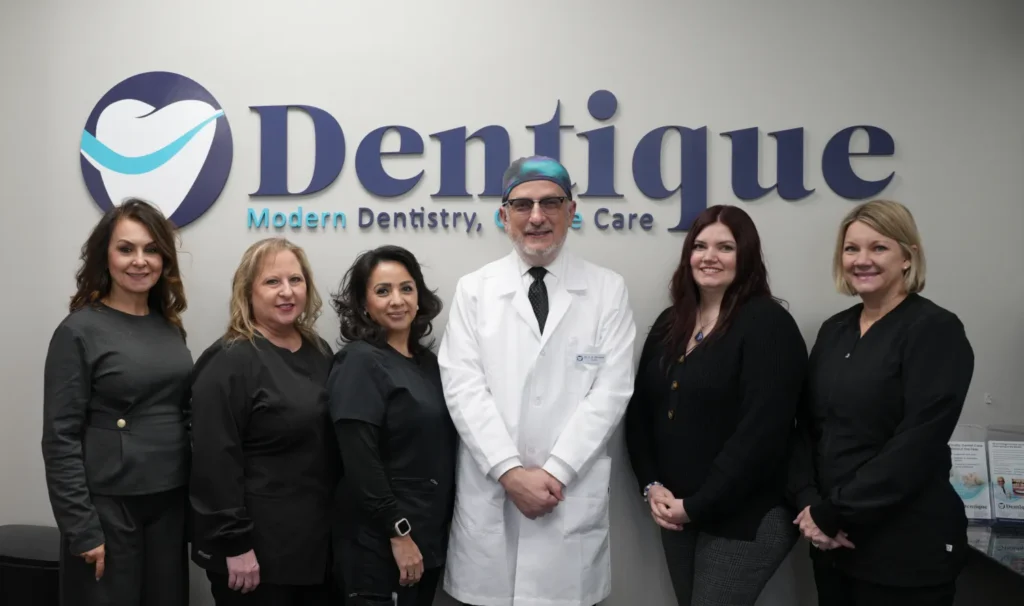
DDS, FDOCS, FICOI | General & Sedation Dentist
Dr. Xhelo Shuaipaj is a General and Sedation Dentist at Dentique Dental Care in Downers Grove, Illinois. He holds the specialized training and state-issued permits required to administer oral sedation under ADA and Illinois Dental Board guidelines. Illinois requires a moderate sedation permit plus Advanced Cardiac Life Support (ACLS) certification. These are not optional credentials — they are the standard the state requires before any dentist can offer this level of care.
“Every sedation patient at Dentique receives a full health history review before we administer anything — no exceptions. My job is to make sure you feel safe before, during, and after your appointment.”
— Dr. Xhelo Shuaipaj DDS, FDOCS, FICOI
His approach to patient safety starts well before you are seated in the chair. The pre-sedation review covers your full health history, current medications, known allergies, and any conditions that require additional precautions. At Dentique, two levels of sedation are available based on your anxiety level and procedure needs: nitrous oxide and oral sedation. The right choice depends on your specific situation, and that is exactly what the initial consultation is for. Learn more about Dr. Shuaipaj’s training and credentials.
Misinformation about sedation dentistry is one of the biggest reasons people avoid it. Here are four common myths and what the evidence actually shows.
If any of these concerns have kept you from booking, they are worth raising during your consultation. A short conversation is usually enough to replace the myth with the real answer.
Both nitrous oxide and oral sedation keep you conscious throughout. You remain aware, can respond to your dentist, and are never "out." You will simply feel calm and deeply relaxed.
When administered by a credentialed provider with continuous vital sign monitoring, serious complications are rare. Avoiding needed dental care carries its own risks — untreated decay, gum disease, and tooth loss. Well-monitored sedation is the safer path.
Sedation is available for anyone who wants a more comfortable experience — including routine cleanings, fillings, and standard procedures. You do not need a diagnosed phobia to qualify.
Nitrous oxide clears your system in minutes. Oral sedation drowsiness resolves within hours. Most patients report feeling completely back to normal by the following morning. Plan for rest the day of, but expect a normal next day.
Yes — sedation dentistry is safe for most adults with health conditions, provided a thorough medical history review is completed beforehand. At Dentique, every patient undergoes a pre-sedation screening that covers current medications, allergies, and relevant conditions including sleep apnea, heart conditions, and pregnancy. Conditions requiring extra caution do not automatically disqualify you from sedation. They require an informed conversation between your dentist and, in some cases, your physician before proceeding.
You will be awake with both types offered at Dentique. Nitrous oxide keeps you fully alert and relaxed — you can respond to your dentist throughout. Oral sedation makes you deeply drowsy but you remain conscious and able to respond if asked a question. Neither type produces unconsciousness. Most patients are surprised at how quickly the appointment passes, reporting the procedure felt far shorter than expected.
Recovery time depends on the type of sedation. Nitrous oxide wears off within minutes of removing the nasal mask — most patients can drive home and return to their day immediately. Oral sedation effects last 4–6 hours; you must arrange a ride home and plan for rest during the remainder of the day. Most patients feel completely back to normal by the following morning. Plan your schedule accordingly before your appointment.
Yes. Many patients at Dentique use nitrous oxide or oral sedation for routine cleanings. No procedure is “too minor” if dental anxiety is a barrier to getting care. This is one of the most common uses of sedation at our practice. If anxiety has kept you from scheduling a cleaning, that is exactly what sedation is for. Visit our sedation dentistry options page to learn what is available for your next visit.
Sometimes. Insurance may cover sedation when it is medically necessary — for example, documented severe dental anxiety, special needs, or a particularly complex procedure. Sedation is typically billed as a separate line item from the dental procedure itself. Coverage varies by plan. The best way to confirm your coverage is to call Dentique and our team will verify with your insurance provider. CareCredit financing is also available for out-of-pocket sedation costs. For a full breakdown, see our sedation cost and insurance coverage page.
Sedation dentistry is safe, effective, and available in two levels at Dentique: nitrous oxide and oral sedation. Dr. Shuaipaj and the team at our Downers Grove and Lemont locations take every precaution before, during, and after your appointment. No judgment. No pressure. Just a conversation about what makes you comfortable.
Start with a conversation, not a commitment. If you have questions about sedation safety, Dr. Shuaipaj is happy to walk you through your options. Visit our sedation options at Dentique or call the team.
Continue exploring sedation dentistry at Dentique, or learn about the specific options that match your situation.
Get the smile you deserve today!