
Custom full, partial, and implant-supported dentures for nervous and self-conscious patients, with sedation options available and your price confirmed in writing. If you have been hiding missing teeth or putting off dentures, you are not alone, and you will not be judged here. Dr. Xhelo Shuaipaj has cared for patients this way for more than 30 years, at our Downers Grove and Lemont offices.
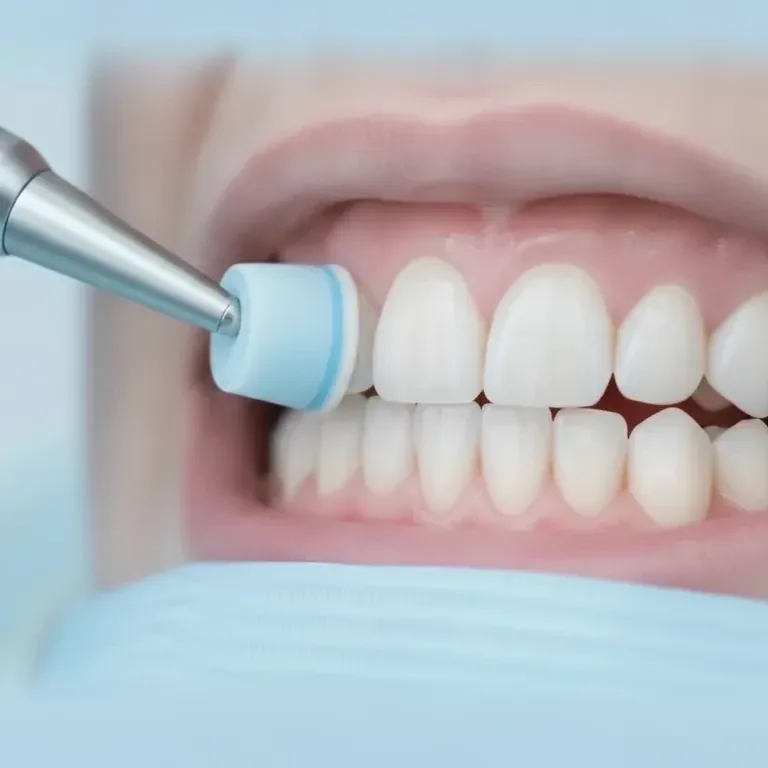
Dentures are removable replacements for missing teeth that sit on your gums. A full denture replaces a whole arch of teeth, and a partial denture fills in the gaps when you still have some natural teeth of your own, often held in place by small clasps. Both are made to fit your mouth so you can eat, speak, and smile more comfortably.
Replaces a whole upper or lower arch of missing teeth.
Fills the gaps when you still have some natural teeth.
Snaps onto a few implants for a more secure fit.
Dentures suit people who have lost several or all of their teeth, whether from decay, gum disease, or an injury, and who want to eat, speak, and smile more comfortably again. It also helps to know what missing teeth do if you leave them in place. None of this happens overnight, and there is no need to panic, but replacing missing teeth earlier keeps more of your options open.
Under the gap, a process called bone loss.
Nearby teeth move and the bite changes.
Both can get harder over time.
The lower face can change shape.
Replacing teeth early keeps more of your options open. Dr. Xhelo Shuaipaj can walk you through what fits your mouth and your goals.
Dentures come in a few main types, matched to how many teeth are missing and how the denture is held. Dentique offers partial, full, and implant-supported dentures, including All-on-4.
| Type | What it is | Held by |
|---|---|---|
| Partial denture | Replaces one or more missing teeth while your natural teeth stay | Clasps on your natural teeth |
| Full denture | Replaces a complete upper or lower arch | Rests on the gums |
| Immediate denture | Placed the same day teeth are removed, so you are not without teeth while gums heal | Rests on the gums, relined later |
| Implant-supported / snap-on | Snaps onto a few implants for a more stable fit | A few dental implants |
| All-on-4 | A fixed full arch of teeth for the whole jaw | Four dental implants |
If immediate or snap-on dentures are the right path for you, ask us and we will tell you honestly what is possible and when. Implant-supported dentures and All-on-4 are offered here.
Making dentures usually takes a few visits over several weeks. During that time we take impressions of your gums, fit a trial denture to check the bite and the look, and Dr. Xhelo Shuaipaj fine-tunes the shape before your final set is ready, because each denture is custom made in a lab. This process is set by your mouth, not by a clock, and we do not rush the fittings.
We take impressions of your gums.
To check the bite and the look.
Your custom denture is placed.
So it stays comfortable.
If teeth are removed first, an immediate denture can be placed that day, then relined once your gums heal. Any tooth removal that needs to happen first can be done with sedation if you want it.
Comfort comes first here. Your visit can be judgment-free and, if you want them, we offer sedation options, and we also use numbing so the treatment itself stays comfortable. Adjusting to dentures takes a little time: some soreness and a short adjustment to eating and speaking are normal in the first weeks, and this eases as your mouth settles and we adjust the fit.
We take the treatment at your pace.
Nitrous oxide helps you relax during the visit.
Oral conscious sedation calms your nerves before and during treatment.
Some soreness is normal at first and eases as we adjust the fit.
Dr. Xhelo Shuaipaj holds an FDOCS fellowship in sedation, and for us sedation is a routine pathway, not an upsell.
Dentures and dental implants both replace missing teeth, but they work differently. Dentures are removable and cost less up front, while dental implants are fixed in the jaw, feel closest to natural teeth, and help slow the bone loss that a denture does not prevent, at a higher upfront cost.
| Compare | Dentures | Dental implants |
|---|---|---|
| How they sit | Removable, rest on the gums | Fixed in the jaw |
| Feel | Comfortable once settled | Closest to natural teeth |
| Bone loss | Does not prevent it | Helps slow it |
| Upfront cost | Lower | Higher |
| Upkeep | May need relining over time | Cared for like natural teeth |
There is also a middle ground: implant-supported dentures snap a denture onto a few implants, which adds stability at a lower cost than replacing every tooth with its own implant. Dentique offers both dentures and dental implants, so we can help you choose either way.
A denture that is loose, cracked, or rubbing can often be repaired, relined, or adjusted rather than replaced, and it is worth having it checked early before a small problem gets worse. If yours hurts or slips, a loose or cracked denture is better looked at than lived with, and better than relying on more and more adhesive.
Cracks, breaks, and lost teeth on the denture.
A better fit as your gums change.
Ease sore spots so it is comfortable to wear.
Bring in a denture you already have that no longer fits, and we will tell you what it needs to fix it.
The cost of dentures depends on a few things: whether it is a partial or a full denture, the material and teeth used, whether any teeth need removing first, and whether it is implant-supported. Because those factors vary from person to person, there is no single price that fits everyone, so we confirm your exact price in writing at your consultation.
These are national references, not Dentique fees. We confirm your exact price in writing at your consultation.
Partial or full, the material and teeth used, whether any teeth need removing first, and whether it is implant-supported.
Insurance: we work with most major PPO plans, including Delta Dental, MetLife, Cigna, Aetna, Blue Cross Blue Shield of Illinois, UnitedHealthcare, Guardian, and Humana. Financing: CareCredit, Cherry, and Sunbit.
Local Downers Grove and Lemont denture fees are supplied by the client and shown here before publish.
Dentures need a little daily care to stay fresh and fit well. Daily denture cleaning is simple, and keeping your regular checkups matters too, because your gums change shape over time and a periodic reline keeps the denture fitting the way it should.
A soft denture brush and a non-abrasive cleaner.
So they stay moist.
So they do not break if dropped.
So the fit stays right as your gums change.
Dentique Dental Care is one dentist with more than 30 years of experience, known for judgment-free care and no-pressure treatment planning. Dr. Xhelo Shuaipaj has patients who have stayed with the practice for 15, 20, and 25 years, and patients say, without being asked, that they were not upsold.
Continuity you do not get by rushing people.
Rated 4.9 across both offices.
No-pressure treatment planning.
Downers Grove and Lemont.
There is no single local figure to quote, because the price depends on the type of denture and your mouth. As a national reference, a full denture commonly runs about $1,115 to $2,540 and a partial about $1,425 to $2,490 or more (Delta Dental). We confirm your exact price in writing at your consultation.
Nationally, a full set spans a wide range, roughly $452 for a basic set up to $6,514 for a premium one (CareCredit), depending on the material and whether it is implant-supported. Those are national figures, not our fees; we confirm your price in writing.
Many PPO plans treat dentures as a major service and cover part of the cost up to an annual maximum, though plans vary. Dentique works with most major PPO plans and helps you check your benefits.
Original Medicare generally does not cover routine dentures or implants. Some Medicare Advantage plans include limited dental benefits, so it is worth checking your specific plan.
With immediate dentures you can leave with teeth the same day your teeth are removed, then have them relined once your gums heal. Conventional dentures are usually fitted over several weeks.
Not necessarily. Immediate dentures are made in advance and placed the day your teeth are removed, so you are not without teeth while you heal.
Lower dentures can take more getting used to, because they rest on a smaller ridge than upper ones. Adjustments, a reline, or implant support can improve the fit.
Neither is better for everyone. Dentures cost less up front and are removable, while implants are fixed and help slow bone loss at a higher upfront cost. We help you choose at your consultation.
Yes. A loose, cracked, or sore denture can often be repaired, relined, or adjusted rather than replaced. Bring it in and we will tell you what it needs.
Reviewed by Dr. Xhelo Shuaipaj, DDS, FDOCS, FICOI, who cares for patients at Dentique Dental Care’s Downers Grove and Lemont offices. His credentials include a DDS, an FDOCS fellowship (Fellow, DOCS Education, sedation), and an FICOI fellowship (Fellow, International Congress of Oral Implantologists), with more than 30 years of experience across both offices. The clinical information on this page reflects guidance from dental authorities including the American Dental Association. Reviewed on [date added before publish].
Get the smile you deserve today!